Tag: Reiki

  • How to Stop Overthinking: 9 Spiritual Practices to Calm Your Mind

    How to Stop Overthinking: 9 Spiritual Practices to Calm Your Mind

    Have you ever wondered how to stop overthinking when you climb into bed exhausted, only for your mind to suddenly replay everything you said, everything you should have done differently, and everything that might happen tomorrow?

    Overthinking can make even a quiet moment feel noisy. You may replay conversations, question your decisions, imagine future problems, or search endlessly for answers that never seem to bring peace.

    If you are wondering how to stop overthinking, the goal is not to force every thought out of your mind. Trying to control every thought can sometimes leave you feeling even more frustrated. Instead, you can learn to notice when your mind is caught in a loop and gently bring your attention back to the present.

    Spiritual practices can offer simple ways to create that pause. Meditation, grounding, journaling, Reiki, mindful breathing, and time in nature may help you slow down and reconnect with yourself when your thoughts feel overwhelming.

    For me, calming an overactive mind is not about becoming perfectly peaceful all the time. It is about recognizing when my thoughts are carrying me away and having gentle practices that help me return to myself.

    In this guide, we will explore 9 spiritual practices to calm your mind, release some of the mental pressure, and create more space between you and your thoughts.

    You do not need to practice all nine. Start with one that feels simple and supportive, and notice what happens when you give your mind permission to slow down.

    You do not have to believe every thought that passes through your mind. Sometimes you can simply notice it, breathe, and let it move on.

    woman learning how to stop overthinking and calm her mind
    Photo by Tima Miroshnichenko on Pexels.com

    How to Stop Overthinking and Break the Thought Loop

    Overthinking often begins when your mind is trying to solve a problem, prevent a mistake, or gain certainty about something that feels unclear.

    You might replay a conversation because you are wondering whether you said the wrong thing. You may imagine different versions of the future because you want to feel prepared. Or you might analyze a decision repeatedly because you are afraid of choosing incorrectly.

    Thinking itself is not the problem. Reflection can help you learn, plan, and make thoughtful decisions. Overthinking becomes less helpful when you keep returning to the same thoughts without reaching a useful conclusion.

    You may notice yourself asking the same questions again and again:

    “What if something goes wrong?”

    “Did I make the right decision?”

    “What does that person really think about me?”

    “What if I had done things differently?”

    When this happens, your attention can become trapped in the past or pulled toward an imagined future, making it difficult to stay connected to what is happening right now.

    Learning how to stop overthinking does not mean preventing yourself from thinking deeply. Instead, it can mean recognizing when reflection has turned into an exhausting mental loop.

    This is where practices such as meditation, grounding, journaling, and mindful breathing can become useful. They give you something different to direct your attention toward and may help you create a little space between yourself and the thoughts passing through your mind.

    For me, one of the most helpful questions is:

    “Is there something I can actually do about this right now?”

    If the answer is yes, I can choose a small next step. If the answer is no, I can practice returning my attention to the present rather than trying to solve something that cannot be solved in that moment.

    9 Spiritual Practices to Stop Overthinking

    woman meditating peacefully to calm a busy mind
    Photo by Vitaly Gariev on Pexels.com

    There is no single technique that can make every unwanted thought disappear. However, gentle spiritual and mindfulness practices can help you notice when your mind is caught in a loop and redirect your attention toward the present moment.

    As you explore how to stop overthinking, do not pressure yourself to practice everything perfectly. Choose one or two techniques that feel natural and give yourself time to discover what genuinely helps you feel calmer.

    1. Ground Yourself in the Present Moment

    When your mind is overthinking, your attention is often somewhere other than the present. You may be replaying something that happened yesterday or imagining what could go wrong tomorrow.

    Grounding can help bring your attention back to what is happening right now.

    Place both feet on the floor and take a slow breath. Notice the physical sensation of the ground beneath you. Then look around and quietly identify a few things you can see, hear, and feel.

    You can also step outside and pay attention to the air on your skin, the movement of the trees, the sounds of nature, or the sensation of your feet touching the earth.

    From a spiritual perspective, grounding is sometimes described as reconnecting your energy with the Earth. You might imagine roots extending from your feet into the ground, giving you a sense of stability and connection.

    You do not have to interpret this visualization literally for it to be meaningful. The purpose is to give your attention somewhere to return when your thoughts begin racing.

    When you notice yourself entering another mental loop, gently remind yourself:

    “I am here, safe in this moment, and I can return to what is happening now.”

    For me, grounding is one of the simplest ways to interrupt overthinking because it moves my attention away from endless questions and back toward something I can actually experience in the present.

    2. Use Your Breath to Slow Down

    Your breath is always with you, which makes it one of the simplest tools you can use when your thoughts begin to feel overwhelming.

    When you notice yourself overthinking, pause for a moment and bring your attention to your breathing. You do not need to force yourself to breathe perfectly. Simply notice the natural rhythm of each inhale and exhale.

    Then try slowing your breathing gently. Breathe in comfortably through your nose and allow your exhale to become slightly longer.

    As you breathe, place your attention on the physical sensations. Notice your chest or abdomen moving, the feeling of air entering your nose, and the small pause between breaths.

    If another thought appears, you do not need to fight it. Notice that your mind has wandered and gently return your attention to your breath.

    You can also silently repeat:

    “Breathing in, I return to this moment.”

    “Breathing out, I let this thought pass.”

    Even a minute or two of intentional breathing can create a pause between you and the stream of thoughts running through your mind.

    As you learn how to stop overthinking, remember that the goal is not to use your breath to eliminate every thought. Instead, let it become an anchor you can return to whenever your attention gets pulled into another mental loop.

    For me, focusing on my breath is a reminder that I do not need to solve everything immediately. Sometimes the next thing I need to do is simply breathe and allow the moment to be enough.

    3. Use Meditation to Stop Overthinking

    Many people avoid meditation because they believe they need to stop thinking completely. Then, when thoughts continue to appear, they assume they are doing something wrong.

    But meditation does not require an empty mind.

    Find a quiet place and sit comfortably for a few minutes. Close your eyes if that feels comfortable, and bring your attention to your breathing.

    Sooner or later, a thought will appear. Instead of following it into another story or trying to push it away, simply notice:

    “I am thinking.”

    Then gently return your attention to your breath.

    You may need to do this many times during a single meditation. That is not failure. Noticing that your attention has wandered and bringing it back is part of the practice.

    When learning how to stop overthinking, this can be especially helpful because you begin practicing a different relationship with your thoughts. Instead of automatically following every thought, you learn that you can notice it without needing to solve, analyze, or believe it.

    Start with just five minutes. You do not need a long meditation session to begin practicing this skill.

    For me, meditation becomes much easier when I stop expecting my mind to become completely silent. Thoughts can come and go while I remain the person noticing them.

    You do not need to silence your mind. Practice returning your attention when your mind carries you away.

    4. Write Your Thoughts Down

    When the same thoughts keep circling through your mind, writing them down can give them somewhere else to go.

    Take a notebook or journal and write whatever is occupying your attention. Do not worry about grammar, structure, or making your thoughts sound positive. Simply allow yourself to put them into words.

    You might begin with:

    “Right now, I keep thinking about…”

    Then continue writing without judging what comes up.

    Once your thoughts are on the page, look at them and ask yourself:

    “Is this something I can take action on?”

    If the answer is yes, write down one small step you can take. If the answer is no, remind yourself that continuing to think about it may not give you any more control over the situation.

    You can also divide a page into two sections:

    What I can control

    and

    What I cannot control

    Place each worry in the appropriate section. This simple exercise can help you recognize where your energy and attention may be most useful.

    As you learn how to stop overthinking, journaling can become a way to observe your thoughts rather than carrying all of them around in your mind.

    For me, writing often creates clarity. A problem that feels enormous inside my head can sometimes become easier to understand once I see it written on paper.

    You do not need to find an answer to every thought. Sometimes writing it down is enough to create a little space around it.

    5. Use Reiki as a Calming Ritual

    If Reiki is already part of your spiritual practice, you can use a short self-Reiki session as a quiet ritual when your mind feels especially busy.

    Find a comfortable place where you are unlikely to be disturbed. Take a few slow breaths and allow yourself to settle before beginning.

    If you are trained in Reiki, use the hand positions and techniques you normally practice. Rather than trying to force your thoughts to disappear, bring your attention gently back to the sensations of your hands, your breathing, and the present moment whenever your mind wanders.

    You might set a simple intention before you begin:

    “For the next few minutes, I give myself permission to slow down.”

    If thoughts appear, let them come and go without trying to analyze each one. You do not need to solve anything during this time.

    If you are not trained in Reiki, you can simply place your hands comfortably over your heart or abdomen and use the moment for quiet breathing or meditation instead.

    Reiki is considered a complementary practice and should not replace professional mental health or medical care when that support is needed. Here, we are using it as a personal spiritual ritual for relaxation rather than as a treatment for overthinking.

    As you explore how to stop overthinking, the most useful part of a calming ritual may simply be creating a few minutes when you are not asking your mind to find another answer.

    For me, Reiki offers an intentional pause. It reminds me that I can stop searching for solutions for a moment and simply be present with myself.

    6. Spend Time in Nature Without Your Phone

    When your mind is already full of thoughts, constant notifications, messages, and new information can give it even more to process.

    Spending a little time in nature without your phone can create a quiet break from that stream of stimulation.

    You do not need to go somewhere remote. Walk through a park, sit beneath a tree, spend a few minutes in your garden, or simply step outside and notice what is around you.

    Instead of continuing to analyze whatever has been on your mind, bring your attention to your senses. Notice the movement of the trees, the temperature of the air, the sounds around you, and the feeling of the ground beneath your feet.

    If your thoughts return to the problem you have been overthinking, acknowledge them and gently redirect your attention to something you can see, hear, or feel.

    From a spiritual perspective, time in nature can also become a grounding practice. You may imagine yourself reconnecting with the Earth and releasing some of the mental tension you have been carrying.

    As you learn how to stop overthinking, reducing external stimulation can be just as valuable as trying to change what is happening inside your mind.

    Try spending even 10 or 15 minutes outside without checking your phone. You may notice how often your attention normally gets pulled away from the present moment.

    For me, nature is a reminder that I do not always need more information or another answer. Sometimes I need less noise.

    Give your mind somewhere peaceful to rest its attention.

    7. Stop Searching for Signs and Answers Everywhere

    When you are overthinking, it can be tempting to search constantly for reassurance, signs, or answers that will finally make you feel certain.

    You might reread messages, search online for different interpretations, ask several people for advice, or look for spiritual signs that seem to confirm what you should do.

    Sometimes these things can feel comforting. However, repeatedly searching for certainty may keep your attention connected to the very question you are trying to release.

    If you notice yourself looking for another sign or answer, pause and ask:

    “Do I need new information, or am I looking for reassurance again?”

    If you already have enough information to make a reasonable decision, consider giving yourself permission to stop searching for a while.

    This can apply to spiritual practices too. Angel numbers, tarot cards, synchronicities, or intuitive experiences may feel personally meaningful, but you do not need to interpret every coincidence as a message about what you should do next.

    Learning how to stop overthinking can sometimes mean becoming more comfortable with not knowing everything immediately.

    Instead of asking for another answer, return to what you already know. What are your values? Consider what is within your control. What small decision feels reasonable with the information you currently have?

    For me, this is an important part of spiritual practice. Spirituality feels more supportive when it helps me trust myself rather than making me dependent on finding constant signs.

    You do not need a sign for every step. Sometimes you can make a thoughtful choice and allow the rest to unfold.

    8. Practice Letting Go of What You Cannot Control

    Overthinking often grows from the desire to control an outcome that is not completely within your control.

    You may wonder what someone else will decide, whether a future plan will work out, or whether you made the perfect choice. Your mind can keep returning to the situation because it believes that thinking about it a little longer might finally create certainty.

    When you notice this happening, pause and ask yourself:

    “Is this within my control right now?”

    If it is, choose one small action you can take. If it is not, practice allowing the uncertainty to exist without trying to solve it immediately.

    You might imagine placing the worry into your open hands. Take a slow breath, and as you exhale, picture yourself gently releasing your grip on it.

    You can also repeat:

    “I will take care of what I can control and release what I cannot.”

    Letting go does not mean that you stop caring. It means recognizing the difference between taking meaningful action and repeatedly thinking about something you cannot change in that moment.

    As you learn how to stop overthinking, this distinction can help you decide where your attention is actually useful.

    For me, letting go is not something I do once and never think about again. Sometimes I have to release the same worry many times. Each time I notice myself holding onto it again, I can gently return to the present.

    You do not need certainty about everything before you allow yourself to feel peaceful.

    9. Create a Calming Evening Routine

    Overthinking often becomes louder at night. During the day, work, conversations, and everyday responsibilities keep your attention occupied. Once everything becomes quiet, the thoughts you pushed aside may suddenly demand your attention.

    A calming evening routine can help you create a gentle transition between the activity of the day and the time you want to rest.

    Start by reducing stimulation before bed. Put your phone away for a while, dim the lights, and give yourself permission to stop checking messages, social media, or anything that encourages your mind to keep searching for new information.

    You might spend a few minutes journaling about anything that is still on your mind. If there is something you need to remember tomorrow, write it down so you do not have to keep mentally repeating it.

    Then choose one quiet practice. You could meditate, take a warm shower, practice self-Reiki, read something calming, listen to gentle music, or simply sit quietly and breathe.

    If your mind starts planning tomorrow, remind yourself:

    “I do not need to solve tomorrow tonight.”

    You can even keep a notebook beside your bed. If an important thought appears, write it down and give yourself permission to return to it the next day.

    As you learn how to stop overthinking, creating a consistent evening routine may help signal that the day is ending and that not every problem needs your attention right now.

    For me, an evening routine is a way of telling my mind that it has done enough for today. Whatever remains unfinished can wait until tomorrow.

    You are allowed to end the day without having every answer.

    How to Stop Overthinking at Night

    woman relaxing in bed at night to quiet a busy mind
    Photo by Hanna Pad on Pexels.com

    Overthinking at night can feel especially frustrating. Your body may be tired, but the moment everything becomes quiet, your mind starts replaying conversations, planning tomorrow, or imagining situations that have not even happened.

    If this happens, try not to turn sleep into another problem you need to solve. Becoming frustrated because you are still thinking can sometimes give your mind even more to focus on.

    Instead, keep a notebook beside your bed. If you remember something important or begin worrying about tomorrow, write it down. This can reassure you that you do not need to hold the thought in your mind all night.

    Then bring your attention back to something simple and present, such as your breathing or the physical feeling of your body resting on the bed.

    You might silently repeat:

    “Nothing needs to be solved right now.”

    or:

    “I can return to this tomorrow.”

    Try to avoid checking your phone for reassurance or searching online for answers when your mind becomes busy. New information can easily give you more things to think about.

    If you have been lying awake for a while and feel increasingly frustrated, you may find it more comfortable to get out of bed briefly and do something quiet in dim light before returning when you feel sleepier.

    Learning how to stop overthinking at night is not about forcing yourself to fall asleep. It is about creating conditions that make it easier to step away from problem-solving and allow your mind to settle.

    Tonight does not need all of tomorrow’s answers.

    How to Stop Overthinking When Your Mind Won’t Switch Off

    Sometimes you can recognize that you are overthinking and still feel unable to step away from it. When that happens, try not to criticize yourself for having too many thoughts.

    Instead of asking, “How do I make this stop immediately?”, try asking:

    “What does my mind need from me right now?”

    Perhaps there is a practical problem that needs one small action. Maybe you need to write something down, make a decision, set a boundary, or schedule a time to deal with the issue later.

    Shift From Thinking to the Present Moment

    If there is nothing useful you can do in that moment, shift your attention from thinking to experiencing.

    Stand up and stretch. Take a few slow breaths. Wash your face with cool water. Step outside for a moment. Hold a warm drink in your hands. Notice five things you can see around you.

    The activity itself does not need to be spiritual. The purpose is simply to interrupt the mental loop and reconnect with your body and surroundings.

    You can also remind yourself:

    “This is a thought, not a problem I have to solve right now.”

    If the thought returns five minutes later, you have not failed. Notice it again and gently redirect your attention again. Sometimes calming an overactive mind requires repetition rather than one perfect technique.

    As you practice how to stop overthinking, try to become curious about your patterns. Notice when overthinking tends to appear, what triggers it, and which practices genuinely help you step out of the loop.

    If persistent overthinking is causing significant distress, interfering with sleep or everyday life, or feels difficult to manage on your own, consider talking with a qualified mental health professional. Spiritual practices can be supportive, but they do not need to replace professional help when you need it.

    The goal is not to control every thought. It is to learn that you do not have to follow every thought wherever it wants to take you.

    how to stop overthinking with 9 spiritual practices to calm your mind

    Finding Peace Beyond Your Thoughts

    Learning how to stop overthinking does not mean that you will never worry, question yourself, or become caught in your thoughts again. Thinking is part of being human, and your mind will not always be quiet.

    The difference can begin with noticing when thinking is no longer helping you.

    Instead of following the same thought in circles, you can pause. You can breathe, ground yourself, write down what is on your mind, meditate, spend time in nature, or choose one small action that is actually within your control.

    Spiritual practices can give you meaningful moments of stillness, but you do not need to use them perfectly. You also do not need to turn inner peace into another goal that you pressure yourself to achieve.

    Some days your mind may feel calm. On other days, you may need to return to the present moment many times.

    Both are okay.

    For me, the most important shift is remembering that I am not required to solve every thought simply because it appears. I can listen to my mind without allowing every worry to decide where my attention goes.

    Start small. Choose one practice from this guide and use it the next time you notice yourself entering an overthinking loop.

    Then pause and ask:

    “What can I do right now, and what can I allow myself to release?”

    You may not be able to control every thought that enters your mind, but you can practice choosing where you return your attention.

    Peace does not always begin when your thoughts disappear. Sometimes it begins when you stop following every one of them.

  • How to Protect Your Energy: 9 Simple Ways to Stop Feeling Drained

    How to Protect Your Energy: 9 Simple Ways to Stop Feeling Drained

    Have you ever wondered how to protect your energy when a conversation, crowded place, or stressful day leaves you feeling completely exhausted? Sometimes it can seem as though everything around you is pulling at your attention and leaving you with very little energy for yourself.

    Learning how to protect your energy can be a helpful way to create healthier boundaries, become more aware of what affects your well-being, and make space for the things that help you feel calm and grounded.

    In spiritual communities, people often talk about protecting their energy from negativity or the emotions of others. You might imagine this as creating an energetic boundary around yourself. From a practical perspective, many of these practices can also be understood as ways of managing stress, attention, emotional boundaries, and overstimulation.

    For me, protecting my energy is not about being afraid of other people or believing that every uncomfortable feeling comes from someone else. It is about noticing when I feel overwhelmed, giving myself permission to step back, and choosing practices that help me reconnect with myself.

    In this guide, we will explore 9 simple ways to protect your energy, including grounding, visualization, meditation, boundaries, time in nature, and other gentle practices you can use in everyday life.

    You do not need to build a wall between yourself and the world. Instead, think of energy protection as learning when to open yourself to an experience and when you need space to recharge.

    Protecting your energy begins with paying attention to what leaves you feeling peaceful, balanced, and more like yourself.

    how to protect your energy through meditation and grounding
    Photo by Anil Sharma on Pexels.com

    What Does It Mean to Protect Your Energy?

    Protecting your energy can mean becoming more intentional about what you allow to influence your emotional state, attention, and sense of inner balance.

    From a spiritual perspective, some people describe energy protection as creating a boundary around their personal energy field. Practices such as visualization, meditation, Reiki, crystals, or cleansing rituals may be used as part of this approach.

    You do not have to interpret these ideas literally for the practices to feel meaningful. Energy protection can also involve recognizing stress, setting healthy boundaries, reducing overstimulation, and noticing which situations leave you feeling emotionally exhausted.

    For example, you may notice that you feel drained after spending too much time on social media, being around constant negativity, saying yes when you really want to say no, or spending long periods without time to yourself.

    Learning how to protect your energy begins with awareness. Instead of immediately assuming that someone has “taken” your energy, pause and notice what is happening within you.

    Ask yourself:

    What am I feeling right now?

    What happened before I started feeling this way?

    Do I need rest, space, movement, quiet, or a stronger boundary?

    These simple questions can help you understand your needs more clearly.

    For me, energy protection is less about shutting the world out and more about staying connected to myself while moving through it. The goal is not to avoid every difficult person or uncomfortable emotion. It is to recognize when something is affecting me and choose how I want to respond.

    9 Ways to Protect Your Energy

    woman grounding in nature to feel calm and centered
    Photo by Jonathan Borba on Pexels.com

    There are many ways to create a greater sense of calm, space, and balance in your everyday life. The following practices combine spiritual ideas with simple, practical habits so you can experiment with what feels supportive to you.

    You do not need to use every technique. As you learn how to protect your energy, notice which practices help you feel more grounded, present, and connected to yourself.

    1. Set Healthy Boundaries

    One of the most powerful ways to protect your energy is learning to recognize and communicate your personal boundaries.

    Boundaries are not about pushing everyone away. They help you decide what you are comfortable with, how much time and attention you can give, and when you need space for yourself.

    You may need a boundary when you notice that you repeatedly feel overwhelmed, resentful, exhausted, or uncomfortable after certain interactions.

    Sometimes protecting your energy can be as simple as saying “I can’t do that today,” “I need some time to myself,” or “I’m not comfortable with that.”

    You do not always need to provide a long explanation for your needs. A clear and respectful response can be enough.

    It can feel uncomfortable to set boundaries at first, especially if you are used to putting other people’s needs before your own. Start with small situations and notice how you feel afterward.

    For me, healthy boundaries create more space for genuine connection. When I am honest about what I can give, I am less likely to become exhausted or frustrated.

    Protecting your energy does not always mean doing something spiritual. Sometimes it simply means knowing when to say no.

    2. Ground Yourself

    Grounding is a practice that can help you bring your attention back to the present moment when you feel overwhelmed, scattered, or emotionally drained.

    In spiritual practices, grounding is often described as reconnecting your energy with the Earth. Some people imagine roots growing from their feet into the ground, allowing excess tension or unwanted energy to flow away.

    You can also practice grounding in a very simple and physical way. Step outside, feel your feet against the ground, notice the temperature of the air, listen to the sounds around you, and take a few slow breaths.

    If you cannot go outside, bring your attention to your body. Notice where your feet touch the floor, relax your shoulders, and slowly name a few things you can see, hear, or feel around you.

    Spending time in nature can also be part of your grounding practice. Walking among trees, sitting near water, gardening, or simply stepping away from screens for a while may help you slow down and reconnect with the present.

    When learning how to protect your energy, grounding can be especially useful after a stressful conversation, a busy day, or time spent in an overstimulating environment.

    For me, grounding is a reminder to return to myself. Instead of becoming caught up in everything happening around me, I can pause, notice my body and surroundings, and create a little more space inside.

    You do not need an elaborate ritual to ground yourself. Sometimes a few quiet breaths with your feet firmly on the floor are enough to begin.

    3. Use Protective Visualization

    Protective visualization is a popular spiritual practice that involves imagining a safe, supportive boundary around yourself. Visualization is also commonly used in manifestation practices to help you focus on an intention or goal.

    Find a quiet moment and take a few slow breaths. Then imagine a soft light surrounding your body. You might picture white, golden, violet, or any other color that feels calming and protective to you.

    Imagine this light creating a gentle boundary around you. It does not need to block the world out. Instead, you can think of it as a reminder that you are allowed to decide what deserves your attention and emotional energy.

    Some people imagine the light becoming brighter before entering a crowded place, having a difficult conversation, going to work, or spending time in an environment that often feels overwhelming.

    You can silently repeat an intention such as:

    “I can stay connected to myself while being present with others.”

    or:

    “I choose what I give my attention and energy to.”

    There is no established evidence that visualizing a protective light creates a literal energetic shield. However, the practice may still feel meaningful as a way to pause, focus your attention, and remind yourself of your boundaries.

    As you learn how to protect your energy, you can experiment with visualization and notice whether it helps you feel calmer and more centered.

    For me, protective visualization is less about being afraid of negative energy and more about creating an intentional moment before entering situations that may feel emotionally demanding.

    4. Practice Meditation

    Meditation can help you create a little distance from the constant stream of thoughts, emotions, and stimulation you experience throughout the day. If meditation is new to you, my beginner’s guide to meditation can help you create a simple practice step by step.

    When you feel emotionally drained, find a quiet place and sit comfortably for a few minutes. Bring your attention to your breathing without trying to force yourself into a particular state.

    Notice each inhale and exhale. If thoughts, worries, or emotions appear, acknowledge them gently and then return your attention to your breath.

    You can also use meditation as a moment to check in with yourself. Ask:

    “What am I feeling right now?”

    “What do I need at this moment?”

    Sometimes the answer may be rest, quiet, movement, a conversation, or simply a little time away from stimulation.

    Meditation does not require you to clear your mind completely. The goal can simply be to notice what is happening within you without immediately reacting to everything you experience.

    When learning how to protect your energy, meditation can help you become more aware of your own emotional state. This may make it easier to recognize when you need a boundary, a break, or time to recharge.

    For me, meditation creates a quiet space where I can reconnect with myself. Even a few minutes can help me notice what I am carrying and what I may be ready to release.

    Sometimes protecting your energy begins by giving yourself permission to become quiet.

    5. Limit Negative Inputs

    Protecting your energy can also involve becoming more conscious of the information and environments you expose yourself to every day.

    News, social media, online arguments, constant notifications, and emotionally intense content can sometimes leave you feeling overwhelmed or mentally exhausted.

    Pay attention to how you feel after spending time online. Do certain accounts inspire you, or do they regularly leave you feeling anxious, angry, inadequate, or drained?

    You do not need to remove everything difficult or uncomfortable from your life. However, you can choose when and how much attention you give to certain types of content.

    Consider turning off unnecessary notifications, unfollowing accounts that consistently affect your well-being, or creating periods during the day when you step away from your phone.

    The same idea can apply to conversations and environments. If you regularly spend time around constant complaining, conflict, or negativity, notice how it affects you and whether a stronger boundary might help.

    Learning how to protect your energy does not mean avoiding reality. It means becoming more intentional about what receives your attention.

    For me, protecting my attention is an important part of protecting my energy. When I reduce unnecessary noise, I have more space for the people, activities, and experiences that genuinely matter to me.

    Your attention is valuable. You do not have to give all of it away.

    6. Spend Time in Nature

    Spending time in nature can be a simple way to step away from constant stimulation and reconnect with the present moment.

    You do not need to travel somewhere remote. A walk through a park, sitting beneath a tree, spending time near water, gardening, or simply standing outside for a few quiet minutes can create space to slow down.

    While you are outside, try bringing your attention to your senses. Notice the feeling of the air, the sounds around you, the colors of the sky or trees, and the sensation of your feet touching the ground.

    From a spiritual perspective, some people experience nature as a place where they can cleanse, restore, or rebalance their energy. You may simply notice that natural surroundings help you feel calmer and more connected to yourself.

    Try putting your phone away for part of the time so you can be fully present with your surroundings.

    When learning how to protect your energy, moments in nature can also give you space away from conversations, screens, responsibilities, and other sources of stimulation.

    For me, nature creates a feeling of spaciousness. It reminds me that I do not always need to solve everything immediately. Sometimes I simply need to slow down, breathe, and reconnect with the world around me.

    Let nature be a place where you can pause, recharge, and return to yourself.

    7. Create a Cleansing Ritual

    A cleansing ritual can be a symbolic way to mark the transition from a stressful or emotionally demanding experience back into your own space.

    There are many ways to create a simple ritual. You might take a warm shower, open a window, light a candle, tidy your room, listen to calming music, meditate, or spend a few quiet minutes alone.

    In spiritual practices, some people also use incense, herbs, crystals, sound, Reiki, or visualization as part of an energy-cleansing ritual.

    The purpose does not need to be removing a literal form of negative energy. A ritual can simply create a meaningful pause that helps you shift your attention and reconnect with yourself.

    For example, after returning home from a busy day, you might change into comfortable clothes, wash your hands or take a shower, open a window for fresh air, and spend five minutes in silence.

    As you learn how to protect your energy, notice which rituals genuinely help you feel calmer rather than feeling that you must perform them perfectly.

    Try not to become afraid that forgetting a cleansing ritual will leave you unprotected. These practices should support your sense of well-being, not create anxiety.

    For me, a cleansing ritual is a way of telling myself: the day is changing, I can release some of what I have been carrying, and I can return my attention to myself.

    8. Protect Your Energy With Reiki

    Reiki practitioner using gentle hand positions during an energy healing session
    Photo by Arina Krasnikova on Pexels.com

    Reiki is a Japanese practice in which practitioners work with what they describe as universal life energy. Some people include Reiki in their spiritual routine as a way to relax, reconnect with themselves, and create a sense of energetic balance.

    If you are trained in Reiki, you might choose to spend a few quiet minutes practicing self-Reiki after a demanding day or before entering a situation that you expect to feel emotionally intense.

    Begin by finding a comfortable and peaceful place. Take a few slow breaths and allow your attention to settle. You can then move through the hand positions you normally use in your Reiki practice while focusing on an intention such as calm, balance, or grounding.

    Some Reiki practitioners also use symbols or visualization as part of their personal energy-protection practice, depending on their training and tradition.

    If you are not trained in Reiki, you do not need to perform Reiki techniques yourself. You might instead choose meditation, grounding, or another practice from this guide that feels comfortable and familiar.

    It is also important to remember that Reiki is considered a complementary practice. It should not replace medical or mental health care when professional treatment is needed.

    When exploring how to protect your energy, Reiki can be one spiritual practice you choose to include alongside healthy boundaries, rest, self-awareness, and other supportive habits.

    For me, Reiki can create a quiet moment to turn my attention inward and reconnect with a sense of calm and intention.

    Energy protection does not need to come from fear. It can begin with creating a peaceful space within yourself.

    9. Give Yourself Time to Recharge

    Sometimes the most effective way to protect your energy is simply to recognize when you need rest.

    You do not have to be productive every moment of the day. Constant activity, social interaction, responsibilities, and stimulation can gradually leave you feeling mentally and emotionally exhausted.

    Pay attention to the signs that you may need time to recharge. You might feel unusually irritable, distracted, overwhelmed, tired, or simply notice that you are craving quiet and space.

    Recharging will look different for everyone. You might need an early night, a slow morning, time alone, a walk, a warm bath, meditation, reading, creative activity, or simply an hour without your phone.

    Try not to wait until you are completely exhausted before giving yourself permission to rest.

    When learning how to protect your energy, remember that rest is not something you need to earn. It is part of taking care of yourself and maintaining your well-being.

    You can also create small moments of recovery throughout the day. Even five quiet minutes between activities can give you an opportunity to breathe, check in with yourself, and reset your attention.

    For me, recharging means listening to what I actually need instead of automatically pushing myself to keep going.

    Protecting your energy is not only about what you keep away. It is also about giving yourself enough space to restore what you have already used.

    Signs You May Need to Protect Your Energy

    Sometimes you may not immediately realize that you need more rest, space, or stronger boundaries. Instead, you simply notice that you do not feel quite like yourself.

    You might feel emotionally exhausted after certain conversations or environments. Perhaps you become overwhelmed more easily, find it difficult to concentrate, or feel as though you constantly need time alone to recover.

    Other signs may include feeling irritable, mentally overloaded, unusually distracted, or unable to relax after a busy day.

    You may also notice that you are saying yes to things you do not really want to do, spending too much time worrying about other people’s emotions, or giving more time and attention than you comfortably have available.

    These experiences do not necessarily mean that someone has taken your energy or that you have absorbed another person’s negativity. Stress, lack of sleep, overstimulation, emotional demands, and many other everyday factors can also contribute to feeling drained.

    Instead of immediately searching for an external cause, pause and check in with yourself.

    Ask:

    Have I had enough rest?

    Have I been taking on too much?

    Do I need more time alone or fewer distractions?

    Is there a boundary I have been afraid to set?

    Learning how to protect your energy often begins with recognizing these patterns before you become completely exhausted.

    The more aware you become of what drains and restores you, the easier it can be to make choices that support your sense of balance.

    How to Protect Your Energy Around Negative People

    Being around someone who constantly complains, criticizes, argues, or demands your attention can sometimes leave you feeling emotionally exhausted.

    Learning how to protect your energy around negative people does not necessarily mean cutting them out of your life. In many situations, creating clearer boundaries and becoming more intentional about your reactions can make a meaningful difference.

    Start by noticing what happens during your interactions. Do you feel responsible for fixing the other person’s problems? Perhaps you automatically agree with them to avoid conflict. Do you continue a conversation even when you are already overwhelmed?

    Remind yourself that you can care about someone without taking responsibility for every emotion they experience.

    Set Boundaries Without Feeling Guilty

    You can listen while still setting limits. For example, you might say:

    “I understand that this is difficult, but I don’t have the energy to talk about it right now.”

    or:

    “I can listen for a few minutes, but then I need to get back to what I was doing.”

    If possible, limit the amount of time you spend in conversations that repeatedly leave you drained. Afterward, give yourself a few minutes to reset. Take a walk, breathe slowly, meditate, listen to calming music, or simply spend some time alone.

    A grounding or visualization practice may also help you feel more centered before and after emotionally demanding interactions.

    Most importantly, try not to label another person as having “bad energy” simply because they are struggling or because you feel uncomfortable around them. Focus instead on the specific behavior, how it affects you, and what boundary you may need.

    For me, protecting my energy around other people means remembering that compassion and boundaries can exist together. I can care about someone without abandoning my own needs.

    You cannot always control the energy of a conversation, but you can decide how much of yourself you are able to give to it.

    Can Crystals Protect Your Energy?

    Crystals are often used in spiritual practices with the intention of protection, grounding, cleansing, or creating a sense of energetic balance.

    Some of the crystals commonly associated with protection include black tourmaline, obsidian, smoky quartz, and amethyst. People may carry them in a pocket, wear them as jewelry, keep them near their workspace, or place them somewhere in their home.

    From a spiritual perspective, some people believe that certain crystals can absorb, repel, or transform unwanted energy.

    However, there is no established scientific evidence that crystals create a literal protective energy field or prevent another person’s energy from affecting you.

    That does not mean you cannot include crystals in your personal spiritual practice. A crystal can serve as a meaningful symbol or reminder of an intention you have chosen for yourself.

    For example, you might hold a crystal for a moment before entering a stressful environment and remind yourself:

    “I will stay grounded, honor my boundaries, and remain connected to myself.”

    In this way, the crystal becomes part of a mindful ritual rather than something you need to depend on for safety.

    If crystals help you slow down, reconnect with your intention, or remember to protect your time and attention, you may find them meaningful.

    As you learn how to protect your energy, allow spiritual tools to support your practice while remembering that practical steps such as boundaries, rest, stress management, and self-awareness matter too.

    The most important part of an energy-protection practice is not the object you carry, but the awareness and choices you bring with you.

    how to protect your energy – 9 simple ways to feel less drained

    A Simple Daily Energy Protection Routine

    You do not need a complicated spiritual ritual to create a greater sense of calm and balance in your everyday life. A simple energy protection routine can take only a few minutes.

    In the morning, begin with a few slow breaths before reaching for your phone. Notice how you feel and think about what you may need during the day.

    Then set a simple intention, such as:

    “Today I will protect my time, attention, and emotional energy.”

    You can spend a minute visualizing a soft light around yourself if that practice feels meaningful to you. Let the visualization remind you to stay connected to your boundaries as you move through the day.

    Before entering a stressful environment or difficult conversation, pause and take one slow breath. Ask yourself what you can realistically give to the situation without becoming overwhelmed.

    During the day, notice when your energy begins to feel low. Instead of automatically pushing through, consider whether you need water, food, movement, fresh air, quiet, or a short break.

    In the evening, give yourself a few minutes to reset. You might meditate, practice self-Reiki, take a shower, write in your journal, or simply sit quietly without your phone.

    As you learn how to protect your energy, remember that the goal is not to monitor yourself constantly or become afraid of negative influences. Your routine should help you feel more grounded, not more anxious.

    Over time, these small moments of awareness can help you recognize what supports you and what tends to leave you feeling drained.

    Protect your energy gently. Create boundaries where you need them, make space for rest, and keep returning to yourself.

    Protecting Your Energy Without Living in Fear

    Learning how to protect your energy is not about becoming afraid of other people, places, or experiences. It is about developing greater awareness of what affects you and learning how to respond in ways that support your well-being.

    You can use spiritual practices such as visualization, meditation, Reiki, crystals, or cleansing rituals if they feel meaningful to you. At the same time, simple everyday choices such as setting boundaries, getting enough rest, limiting overstimulation, and spending time in nature can be just as important.

    You do not need to interpret every uncomfortable feeling as negative energy. Sometimes feeling drained is simply your mind or body telling you that you need rest, space, nourishment, or a change of pace.

    Pay attention to your patterns. Notice which people, environments, habits, and activities leave you feeling balanced and which ones consistently leave you overwhelmed.

    Then ask yourself what is within your control. Perhaps you can shorten a conversation, put your phone away, say no to an invitation, take a walk, meditate for five minutes, or simply give yourself permission to rest.

    For me, protecting my energy is ultimately about staying connected to myself. Spiritual practices can support that connection, but they do not need to become rules that make me fearful of the world around me.

    You are allowed to care deeply about others while still having boundaries. You are allowed to step away when you need space. And you are allowed to protect your time and attention without feeling guilty for doing so.

    Protect your energy with awareness rather than fear. Stay grounded, honor your boundaries, and keep creating space for the things that help you feel like yourself.

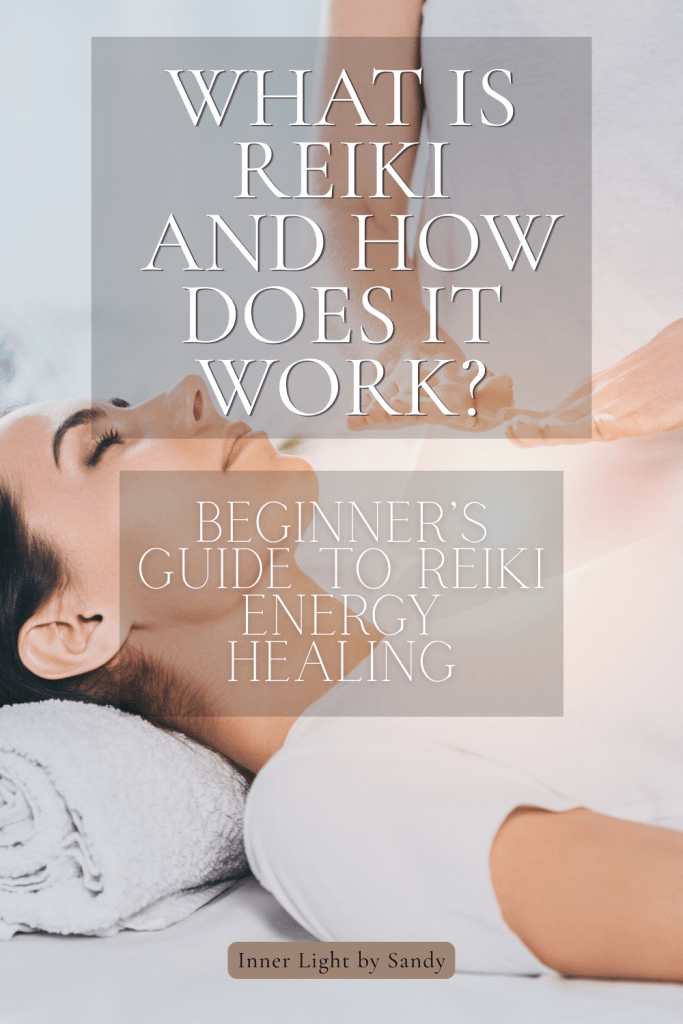
  • What Is Reiki and How Does It Work? A Beginner’s Guide to Reiki Energy Healing

    What Is Reiki and How Does It Work? A Beginner’s Guide to Reiki Energy Healing

    Are you curious about what is Reiki and how does it work? You may also wonder why so many people are drawn to this gentle energy practice. Maybe you have heard people talk about Reiki energy healing, but you are not quite sure what actually happens during the practice. You may also wonder why so many people include Reiki in their spiritual journey.

    Reiki has become a meaningful part of my own spiritual practice. For me, it is a gentle way to slow down and reconnect with myself. It creates a quiet space where I can simply be present. One of the things I love about Reiki is that it does not have to feel complicated. You do not need to understand everything about energy before you begin exploring it.

    In this beginner-friendly guide, we will look at what Reiki is and where it comes from. We will also explore what a Reiki session may feel like and the ideas behind Reiki energy healing. We will also explore how Reiki can become part of a personal spiritual or self-care practice.

    You may be completely new to Reiki or simply curious to learn more. My goal is to help you understand it in a simple, grounded, and approachable way.

    What is Reiki and how does it work during a Reiki session
    Photo by Arina Krasnikova on Pexels.com

    What Is Reiki?

    Mikao Usui developed Reiki as a Japanese spiritual and energy practice in the early 20th century. People commonly explain the word Reiki through two Japanese words: rei, often associated with something universal or spiritual, and ki, referring to life energy.

    In Reiki practice, this idea of life energy plays an important role. Traditionally, practitioners believe they can share Reiki through gentle hand positions, with their hands resting lightly on the body or just above it.

    For me, however, Reiki is not only about energy. It is also about creating a quiet moment where I can slow down, become more present, and reconnect with myself. That is one of the reasons Reiki became such a meaningful part of my own spiritual journey.

    You do not need to follow a particular religion or spiritual belief system to explore Reiki. People may approach the practice in different ways. Some are interested in its spiritual side, while others simply enjoy the peaceful and reflective experience of a Reiki session.

    It is also important to separate spiritual beliefs about Reiki from established medical evidence. Reiki should not be considered a replacement for medical or mental health care. Instead, I like to think of Reiki as a personal spiritual and self-care practice. It can create intentional time for stillness, reflection, and relaxation.

    What Is Reiki and How Does It Work?

    If you are wondering what is Reiki and how does it work, begin with the traditional idea behind the practice. Traditional Reiki is based on the belief in universal life energy. Practitioners believe this energy can be shared through their hands.

    During a Reiki session, the practitioner usually places their hands gently on or slightly above different areas of the body. There is no massage or physical manipulation involved. Instead, the experience is generally quiet and peaceful, giving you an opportunity to relax and turn your attention inward.

    From a traditional Reiki perspective, practitioners believe that this energy may support balance and flow within the person receiving Reiki. However, these ideas belong to Reiki’s spiritual tradition and have not been scientifically established as a physical energy system.

    For me, Reiki is less about understanding exactly where the energy goes. It is more about being present with the experience. When I practice Reiki, I allow myself to become still, focus on the moment, and notice whatever comes up without trying to force anything.

    Some people describe sensations such as warmth, tingling, deep relaxation, or emotional release during a Reiki session. Others may feel very little at all. There is no particular sensation that you need to experience for your Reiki practice to feel meaningful.

    I believe this is one of the most beautiful things about Reiki: you do not have to chase a certain feeling or expect something dramatic to happen. You can simply give yourself permission to slow down, breathe, and be present.

    What Happens During a Reiki Session?

    Reiki session with gentle hands-on energy practice
    Photo by Arina Krasnikova on Pexels.com

    When exploring what is Reiki and how does it work, one of the first things you may wonder about is what actually happens during a Reiki session.The experience can vary depending on the practitioner, but Reiki sessions are generally calm, quiet, and simple.

    A session usually begins with a short conversation. The practitioner may ask how you are feeling, whether there is anything you would like to focus on, or if you have any questions before beginning.

    You will usually remain fully clothed and either lie comfortably on a treatment table or sit in a chair. The practitioner then moves through a series of hand positions, gently placing their hands on or slightly above different areas of the body.

    There is usually nothing you need to do during the session. You can simply close your eyes, breathe naturally, and allow yourself to relax.

    Everyone experiences Reiki differently. You may notice warmth, tingling, a feeling of heaviness or lightness, or simply a deep sense of calm. You might also notice thoughts or emotions coming to the surface. On the other hand, you may not notice any particular sensation at all, and that is perfectly okay too.

    When I think about Reiki, I do not believe we need to measure the experience by how many sensations we feel. Sometimes the quietest sessions can still give us valuable time to slow down and reconnect with ourselves.

    After the session, you may want to take a few moments before returning to your day. Drink some water, notice how you feel, and give yourself time to gently transition back into your normal routine.

    What Are the Benefits of Reiki?

    Once you begin to understand what is Reiki and how does it work, you may also wonder why people choose to include Reiki in their lives. Some people feel drawn to Reiki’s spiritual side. Others simply enjoy the peaceful space it creates for slowing down and stepping away from everyday life.

    One of the most commonly described experiences during Reiki is a sense of relaxation. A quiet environment, gentle attention, and time away from distractions can create an opportunity to become more present and aware of how you are feeling.

    For me, one of the greatest benefits of Reiki is exactly this pause. It gives me permission to stop doing, thinking, and planning for a while and simply reconnect with myself.

    Some people also include Reiki in their spiritual practice when they feel emotionally overwhelmed, disconnected, or energetically out of balance. They may use it alongside meditation, journaling, breathwork, or other practices that help them create a greater sense of inner calm.

    Reiki can also encourage self-awareness. When you become quiet, you may begin noticing thoughts, emotions, or patterns that are easy to overlook during a busy day. You do not have to immediately change or fix what comes up. Sometimes simply becoming aware of it can be meaningful.

    It is important to remember that experiences with Reiki are personal and can vary from person to person. Although Reiki is sometimes described using words such as healing or energy healing, it should not be presented as a treatment or cure for medical conditions.

    I prefer to see Reiki as a supportive spiritual and self-care practice — one that gives us an opportunity to slow down, listen inward, and create a little more space for ourselves.

    Reiki and the Chakra System

    Reiki and chakra energy practice for inner balance
    Photo by Natalie Goodwin on Pexels.com

    If you begin exploring Reiki, you will probably come across the chakra system as well. Although Reiki and chakras come from different traditions, many modern Reiki practitioners choose to work with both as part of their spiritual practice.

    Traditional chakra teachings describe chakras as energy centers within the body. In many modern spiritual practices, seven main chakras are commonly discussed, each associated with different areas of our physical, emotional, and spiritual experience.

    During a Reiki session, a practitioner may spend time with their hands positioned near different chakra areas. From a spiritual perspective, the intention may be to encourage a greater sense of balance, awareness, and energetic flow.

    For me, working with the chakras can also be a way of turning my attention inward. Instead of worrying about whether a chakra is perfectly “open” or “balanced,” I prefer to use the practice as an opportunity to notice how I am feeling.

    For example, I might ask myself: Where am I holding tension? What emotions have been coming up lately? Is there an area of my life that needs more attention?

    You do not need to understand every chakra before exploring Reiki. In fact, you can practice or receive Reiki without working with the chakra system at all.

    Both Reiki and chakra work are based on spiritual traditions rather than scientifically established energy systems. I believe it is helpful to keep that distinction in mind while still allowing yourself to explore what these practices mean to you personally.

    Can You Practice Reiki on Yourself?

    As you learn what is Reiki and how does it work, you may also wonder whether Reiki can be practiced on yourself. In fact, self-Reiki is an important part of many Reiki traditions and can become a simple way to create a few quiet moments for yourself during the day.

    When I practice Reiki on myself, I like to keep it simple. I find a comfortable place, take a few slow breaths, and allow myself to settle into the moment. Then I gently place my hands on different areas of my body and stay there for as long as feels comfortable.

    You might place your hands over your heart, abdomen, shoulders, or another area where you naturally feel drawn to focus your attention. There is no need to chase a particular sensation or wonder whether you are doing everything perfectly.

    For me, self-Reiki is also an opportunity to check in with myself. I can notice how I am feeling, where I may be holding tension, and whether I have been giving myself enough time to rest and recharge.

    Even a short practice can become a meaningful ritual. You might spend five or ten minutes practicing Reiki before bed, after meditation, or whenever you feel that you need a little quiet time.

    If you are completely new to Reiki, you may eventually choose to learn from a qualified Reiki teacher. Traditional Reiki training usually includes instruction, practice, and an initiation or attunement process, depending on the Reiki tradition being taught.

    Most importantly, try not to turn your Reiki practice into another thing you have to do perfectly. Let it be a space where you can slow down, become present, and reconnect with yourself.

    Do You Need a Reiki Attunement?

    As you explore what is Reiki and how does it work, you may also come across the word attunement. This is an important part of traditional Reiki training and is usually given by a Reiki teacher or Reiki Master.

    An attunement is a spiritual initiation used within Reiki traditions. It is often described as a process that introduces the student to Reiki practice and prepares them to begin working with Reiki in a more intentional way.

    Different Reiki schools may teach this process a little differently. Some describe attunement mainly in energetic terms, while others place more emphasis on the connection between teacher and student, personal practice, and learning the principles of Reiki.

    For me, Reiki training is about much more than receiving an attunement. It is also about learning how to slow down, become more aware of yourself, and develop a practice that feels meaningful and authentic.

    Reiki is commonly taught in different levels. You may hear them described as Reiki Level 1, Reiki Level 2, and Reiki Master or Master Teacher level. Each stage traditionally introduces additional practices and techniques.

    If you are interested in learning Reiki, take your time when choosing a teacher. Look for someone whose approach feels comfortable to you, who welcomes questions, and who does not make unrealistic promises about what Reiki can do.

    There is no need to rush your spiritual journey. Learning Reiki can be something you explore gradually, allowing your own understanding and experience to develop over time.

    Is Reiki a Religion?

    Reiki is not a religion, and you do not need to follow a particular faith or belief system to explore it. People from many different backgrounds practice Reiki, and everyone may connect with it in their own way.

    Although Reiki can feel deeply spiritual, it does not require worship, religious membership, or belief in a specific deity. Instead, the practice is traditionally centered around ideas such as universal life energy, mindfulness, compassion, and personal growth.

    Reiki also includes five principles, often called the Five Reiki Principles or Reiki Precepts. Different translations use slightly different wording, but they generally encourage us to approach everyday life with less anger and worry, more gratitude, honesty, and kindness.

    I especially love this part of Reiki because the principles can become gentle reminders for everyday life. You do not have to follow them perfectly. Instead, you can use them as an invitation to become more conscious of your thoughts, emotions, and the way you treat yourself and others.

    For me, Reiki fits naturally into a spiritual lifestyle because it creates space for reflection, inner connection, and awareness. Someone else may experience it differently, and that is completely okay.

    You can explore Reiki alongside meditation or other spiritual practices, or simply appreciate it as a quiet personal ritual. Your experience does not have to look exactly like anyone else’s.

    What is Reiki and how does it work beginner’s guide

    How to Get Started With Reiki

    Once you understand what is Reiki and how does it work, you may feel ready to explore the practice for yourself. Like many spiritual practices, Reiki can be explored slowly and with curiosity.

    You might begin by reading about Reiki, experiencing a session with a practitioner, or learning more about the different levels of Reiki training. Pay attention to what feels natural to you rather than feeling that you need to follow someone else’s path.

    If you decide to receive Reiki from a practitioner, choose someone you feel comfortable with. A good practitioner should be willing to answer your questions, respect your boundaries, and never promise that Reiki can diagnose, treat, or cure a medical condition.

    If you feel drawn to learning Reiki yourself, you can look for a Reiki teacher whose approach and values resonate with you. Ask about their training, what their course includes, and how they support students as they develop their own practice.

    You can also begin creating more quiet and intentional moments in your everyday life. Meditation, mindful breathing, journaling, and simply paying attention to your inner state can all complement a Reiki practice.

    Most importantly, allow yourself to explore without pressure. Your spiritual journey does not need to happen quickly. Sometimes the most meaningful changes begin when we become curious, slow down, and start listening to ourselves a little more closely.

    Reiki as Part of Your Spiritual Journey

    Reiki can mean something different to everyone who explores it. For some people, it becomes a regular spiritual practice. For others, it may simply be a peaceful way to slow down, reflect, and create more intentional moments in everyday life.

    When I think about what is Reiki and how does it work, I do not believe the most important part is trying to explain or analyze every sensation. For me, Reiki is about connection — connection with myself, the present moment, and the quiet inner space that can sometimes become difficult to hear in a busy life.

    Your experience with Reiki does not need to look like anyone else’s. You may feel warmth or tingling during a session, experience deep relaxation, or simply enjoy a few moments of stillness. There is no “right” experience you need to have.

    If Reiki feels meaningful to you, allow yourself to explore it slowly. Learn, ask questions, practice, and notice how it fits into your own spiritual journey.

    And remember that spirituality is not about doing everything perfectly. Sometimes it begins with something much simpler: becoming quiet enough to listen to yourself.

    Perhaps that is one of the most beautiful things Reiki can offer — a gentle invitation to slow down, become present, and reconnect with your inner light.

  • 7 Signs Your Energy Is Blocked and How to Clear It

    7 Signs Your Energy Is Blocked and How to Clear It

    Have you ever wondered if you are experiencing the signs your energy is blocked? Maybe some of them are already showing up in your everyday life. You may feel tired, emotionally heavy, or simply not quite like yourself, even though you cannot explain exactly why. Sometimes, these feelings can be a gentle invitation to slow down and pay attention to what is happening within you.

    In spiritual practices, energy is often used to describe our inner state. It can reflect our thoughts, emotions, relationships, and everyday experiences. When that energy feels stuck or out of balance, you may begin noticing subtle changes. You might feel or respond to everyday situations differently.

    The signs your energy is blocked can look different for everyone. You might feel unusually drained, disconnected from yourself, or emotionally overwhelmed. You may also feel unable to move forward in an area of your life. For me, noticing these moments is not about judging them as “bad.” Instead, I see them as an opportunity to reconnect with myself and listen a little more closely.

    In this post, we will explore seven common signs that your energy may feel blocked. We will also look at gentle practices that may help you feel lighter, calmer, and more connected again.

    Signs your energy is blocked and finding inner balance
    Photo by RAY LEI on Pexels.com

    What Do the Signs Your Energy Is Blocked Really Mean?

    When I think about blocked energy, I do not imagine something being physically stuck inside the body. For me, it is more about those periods when you feel disconnected from yourself, emotionally heavy, or unable to move forward in the way you normally would.

    Sometimes this feeling appears after stress, a difficult experience, or a change in your life. It can also happen when you spend too much time caring for everything around you and forget to check in with yourself.

    You may notice it in your mood, motivation, or relationships. You might also respond differently to situations that would not normally bother you. At other times, the feeling can be much quieter — you simply sense that something is a little “off.”

    Becoming aware of these changes can be the first step toward understanding what you need. Rather than trying to force the feeling away, you can become curious about it. What has been draining you lately? What have you been holding onto? And when was the last time you truly gave yourself space to slow down and reconnect?

    1. You Feel Constantly Drained

    One of the first signs your energy is blocked may be a feeling of heaviness or tiredness that seems difficult to shake. I am not talking about the normal tiredness you feel after a busy day. It can feel more like your inner spark has become a little quieter.

    You may notice that things you normally enjoy suddenly require more effort. Perhaps you want more time alone, feel less motivated, or find yourself saying, “I just don’t have the energy for this.”

    When I notice this kind of heaviness, I like to ask myself a simple question: What has been taking more from me than it has been giving lately?

    Sometimes the answer is obvious. Other times, it takes a little quiet time to recognize it. Either way, give yourself permission to rest and listen to what you need rather than immediately pushing yourself to do more.

    Of course, persistent or unexplained fatigue can also have physical or mental health causes. Spiritual practices can support your sense of well-being, but they should not replace appropriate medical care when something feels wrong or continues for a long time.

    2. You Feel Emotionally Stuck

    Sometimes, one of the signs your energy is blocked is feeling emotionally stuck. It may feel very different from physical tiredness.You may find yourself returning to the same thoughts, feelings, or situations again and again. Part of you may already feel ready to move forward.

    Maybe you are holding onto an old disappointment or a conversation you cannot stop replaying. Perhaps there is also an emotion you have never really allowed yourself to feel. I have found that the more we try to push certain feelings away, the louder they can sometimes become.

    Ask yourself, “What is this feeling trying to show me?” You do not need to push the feeling away. You do not have to solve everything immediately. Sometimes simply acknowledging what you feel can create a little more space inside.

    Journaling, quiet reflection, or meditation can help you explore what is beneath the surface. Talking with someone you trust can also help.

    The goal is not to force yourself to feel positive. It is to give yourself permission to be honest about where you are right now.

    3. Blocked Energy Can Make You Feel Disconnected From Yourself

    Another sign your energy may feel blocked is a sense of disconnection from yourself. You go through your usual routine, get things done, and take care of what needs your attention, yet something inside feels distant.

    You may find it harder to hear your intuition or even know what you truly want. Sometimes we become so focused on responsibilities, other people, and everything happening around us that we stop noticing our own inner voice.

    When this happens to me, I find that slowing down helps more than trying to “figure everything out.” A few quiet minutes without my phone, sitting outside, meditating, or simply taking a few deep breaths can create enough space to check in with myself again.

    Try asking yourself: “What do I need right now?” Do not worry about finding the perfect answer. Simply paying attention to the question can be a gentle way of reconnecting with yourself.

    4. You Keep Repeating the Same Patterns

    Have you ever found yourself in the same kind of situation again and wondered, “Why does this keep happening?” Sometimes repeating patterns can be one of the signs your energy is blocked and that something within you needs more attention.

    It might show up in relationships, the way you react to certain situations, the boundaries you struggle to maintain, or even the way you speak to yourself. The details may change, but somehow the feeling underneath seems familiar.

    I try to look at these patterns with curiosity rather than judgment. Instead of thinking, “I should know better by now,” ask yourself, “What can I learn from this?” That small change in perspective can make it easier to notice what may be keeping you stuck.

    Awareness does not mean you have to change everything immediately. Sometimes recognizing a pattern is already an important step. From there, you can begin making different choices little by little, in a way that feels right for you.

    5. You Feel More Sensitive to People and Places

    Have you ever walked into a room and immediately felt uncomfortable, even though nothing obvious had happened? Or perhaps you spend time with certain people and afterward notice that you feel unusually drained or overwhelmed.

    In spiritual practices, some people describe this as being sensitive to the energy around them. I like to think of it more simply: we can be deeply affected by our surroundings, conversations, relationships, and the emotions of the people we spend time with.

    Becoming more aware of how different environments make you feel can help you understand where you may need stronger boundaries. You do not have to avoid everyone or protect yourself from the world. Sometimes it is simply about recognizing when you need a little space to return to yourself.

    After an intense day or spending time in a place that feels overwhelming, try giving yourself a few quiet minutes. Step outside, take a shower, meditate, listen to calming music, or simply sit somewhere peaceful. Notice how you feel before and afterward.

    The more you learn to recognize what supports your energy and what seems to drain it, the easier it can become to make choices that feel more balanced for you.

    6. You Feel Irritable or Overwhelmed More Easily

    Sometimes the first clue that something feels out of balance is not sadness or tiredness, but irritation. Small things that would normally roll off your shoulders suddenly feel much bigger than they really are.

    You might become impatient more quickly, feel overwhelmed by noise or too many responsibilities, or simply feel as though you have no space left for anything else. I think these moments can be valuable reminders to check in with ourselves instead of automatically pushing through.

    Ask yourself, “Have I been giving myself enough time to rest and recharge?” Sometimes what feels like negative energy is simply a sign that you have been carrying too much for too long.

    Give yourself permission to create a little breathing room. Turn off your phone for a while, step outside, take a few slow breaths, or say no to something that does not need your attention right now. Small boundaries can make a surprisingly big difference.

    You do not need to feel peaceful every moment to be spiritually connected. Difficult emotions are part of being human too. The goal is not to avoid them, but to notice them with a little more awareness and compassion.

    7. You Feel Like You Cannot Move Forward

    Sometimes you know that you want something to change, but you cannot seem to take the next step. You may have ideas, dreams, or even a clear sense of where you would like to go, yet something keeps holding you back. This sense of being unable to move forward can sometimes be one of the signs your energy is blocked, especially when the feeling keeps returning.

    This feeling of being stuck can show up in many areas of life. Maybe you keep putting off something that matters to you, stay in a situation that no longer feels right, or find yourself questioning every decision before you make it.

    In spiritual terms, you might experience this as energy that is no longer flowing as freely as it once did. But feeling stuck does not always mean that something is wrong. Sometimes it can be a sign that you need more time, clarity, rest, or the courage to let go of something you have outgrown.

    When I feel this way, I find it helpful to stop focusing on the entire journey and ask myself, “What is one small step I can take today?” It does not have to change your life. It might simply be writing down what you want, having an honest conversation, setting a boundary, or finally giving yourself permission to try something new.

    You do not always need to know exactly where you are going. Sometimes movement begins with one small choice that feels more aligned with who you are becoming.

    How to Clear Your Energy When You Notice Signs Your Energy Is Blocked

    Once you begin noticing the signs your energy is blocked, you may naturally wonder what you can do to feel more balanced again. I believe the most helpful approach is often a gentle one. You do not need to force yourself to change your energy or fix everything at once.

    Sometimes reconnecting with yourself begins with very simple things: slowing down, moving your body, spending time outside, creating a little quiet, or allowing yourself to rest without feeling guilty about it.

    I also like to remember that what helps one person may not feel right for another. Meditation might bring you peace, while someone else may feel more grounded after a walk in nature, journaling, listening to music, or practicing Reiki.

    The important thing is to pay attention to how you feel. Choose practices that help you feel calmer, more present, and more connected to yourself rather than treating them as another task you have to complete. You can also explore simple ways to raise your vibration and bring more positive, supportive habits into your everyday life.

    Below are a few gentle ways you can begin creating more space and flow in your everyday life.

    Gentle ways to clear blocked energy and reconnect with yourself
    Photo by Kasia Palitava on Pexels.com

    1. Spend Time in Nature

    Nature is one of my favorite ways to reconnect with myself when everything feels a little too busy or heavy. There is something calming about stepping away from screens, responsibilities, and constant noise, even if it is only for a short time.

    You do not need to plan a long hike or travel somewhere beautiful. A slow walk through a park, sitting under a tree, feeling the sun on your face, or simply standing outside and taking a few deep breaths can be enough to help you feel more present.

    When you are outside, try not to rush. Notice the air, the sounds around you, the colors of the sky, or the feeling of the ground beneath your feet. Instead of thinking about what you need to do next, allow yourself to simply be there for a few minutes.

    For me, this is less about trying to “clear” something and more about creating space. When the mind becomes quieter, it can be easier to notice what you are feeling and what you may need.

    The next time your energy feels heavy, try spending ten or fifteen minutes outside without expecting anything to happen. Sometimes a little fresh air and stillness are exactly what we need to begin feeling like ourselves again.

    2. Move Your Body Gently

    When you feel stuck or heavy, gentle movement can be a beautiful way to reconnect with your body. It does not have to be an intense workout. Sometimes the simplest movements can help you feel more awake, present, and connected to yourself.

    Try stretching for a few minutes, going for a relaxed walk, practicing yoga, or putting on a song you love and moving however your body wants to move. There are no rules here. The idea is simply to step out of your thoughts for a moment and bring your attention back into your body.

    I especially like gentle movement on days when my mind feels busy. Instead of trying to think my way into feeling better, I can focus on how my body feels as I move, breathe, and slowly release some of the tension I have been carrying.

    You can also turn movement into a small mindfulness practice. Notice your breathing, your feet touching the ground, or where you are holding tension. You do not need to change anything immediately — just notice.

    Even five or ten minutes can create a small shift in how you feel. The goal is not to exercise perfectly, but to give your body a little attention, movement, and care.

    3. Practice Meditation and Conscious Breathing

    Meditation does not have to mean sitting perfectly still for an hour or completely emptying your mind. For me, it is simply a way to slow down, turn inward, and give myself a few quiet moments away from everything happening around me.

    If your energy feels scattered or heavy, start with something simple. Close your eyes, place your feet on the floor, and take a few slow breaths. Notice the air moving in and out of your body without trying to change anything at first.

    As you breathe, imagine that each inhale brings in calm, fresh energy, while each exhale allows you to release some of the tension you have been carrying. You can use this visualization if it feels meaningful to you, but there is no need to force a particular experience.

    Your thoughts will probably wander, and that is completely normal. When you notice it happening, gently bring your attention back to your breath. Even a few minutes of this can create a quiet space where you can reconnect with yourself.

    I believe meditation becomes most helpful when we stop worrying about whether we are doing it “right.” Some days may feel peaceful, while others may not. Simply showing up and giving yourself those few minutes of stillness can become a meaningful part of your spiritual practice.

    4. Write Down What You Are Holding Onto

    Sometimes we carry thoughts and emotions for much longer than we realize. They stay in the background of our minds — unfinished conversations, worries, disappointments, things we wish we had said, or feelings we have not fully understood yet.

    Journaling can be a gentle way to bring some of those thoughts to the surface. You do not need a beautiful journal or a special routine. Take a piece of paper and simply write whatever comes to mind without worrying about grammar, structure, or whether it makes sense.

    If you are not sure where to begin, try asking yourself: “What am I ready to let go of?” or “What has been taking up too much space in my mind lately?”

    Then write without judging your answers. You may be surprised by what comes up when you give yourself permission to be completely honest.

    For me, journaling is not about finding an immediate solution to every problem. Sometimes putting something into words is enough to see it differently. It can help you understand what you have been carrying and what you may be ready to release.

    When you finish, take a moment before moving on with your day. Breathe, notice how you feel, and remind yourself that you do not have to figure everything out at once.

    5. Explore Reiki and Energy Healing

    Reiki and energy healing for inner balance
    Photo by Anete Lusina on Pexels.com

    Reiki has a special place in my own spiritual practice. For me, it is a gentle way to slow down, become more present, and reconnect with my inner world when life feels overwhelming or my energy feels out of balance.

    Reiki is a form of energy practice that is traditionally based on the idea of working with universal life energy. Some people use it as part of meditation, relaxation, or their personal spiritual journey.

    During a Reiki practice, you may simply sit or lie somewhere comfortable, place your hands gently on different areas of your body, and allow yourself to become quiet. Rather than expecting a particular result, notice what you experience in the moment — warmth, relaxation, emotions, thoughts, or perhaps simply a sense of stillness.

    I believe one of the beautiful things about energy work is that it encourages us to stop for a moment and listen to ourselves. You do not have to force energy to move or try to create a specific feeling. Sometimes the practice itself — being still, breathing, and giving yourself your full attention — can be meaningful.

    Reiki and other spiritual energy practices can be part of your personal self-care routine, but they are not a replacement for medical or mental health treatment. I prefer to think of them as another way of creating intentional time for connection, reflection, and inner calm.

    6. Clear and Refresh Your Space

    Our surroundings can have a surprisingly strong influence on how we feel. When a space becomes cluttered, chaotic, or filled with things we no longer use, it can sometimes make us feel mentally and emotionally heavier too.

    You do not need to completely reorganize your home. Start with one small area — your bedside table, your desk, a drawer, or a corner of the room. Remove what you no longer need, open a window, and let some fresh air into the space.

    If it is part of your spiritual practice, you might also enjoy creating a small ritual around refreshing the energy of your home. You could light a candle, play calming music, meditate, use a meaningful scent, or simply walk through the room while setting the intention to create a more peaceful atmosphere.

    I love the idea that clearing our physical space can also give us an opportunity to ask what we are ready to release internally. Sometimes letting go of something as simple as an object we no longer need can remind us that we are allowed to make space for something new.

    Pay attention to how your environment makes you feel. Your home does not have to be perfect. It simply needs to feel like a place where you can breathe, rest, and return to yourself.

    7. Protect Your Energy With Healthy Boundaries

    Sometimes feeling energetically drained has less to do with what we need to add to our lives and more to do with what we need to step away from.

    You may be giving too much of your time and attention to other people, saying yes when you really want to say no, or feeling responsible for things that are not yours to carry. Over time, this can leave very little space for your own needs.

    I used to think that protecting your energy meant building a wall around yourself. Now I see it differently. For me, it is about becoming more conscious of where my attention goes and recognizing when I need to create a little more space for myself.

    A healthy boundary can be something very simple. It might mean not answering every message immediately, taking an evening for yourself, limiting time in situations that leave you overwhelmed, or saying no without feeling that you need to explain everything.

    Rest is part of this too. You do not always have to be productive, improving yourself, or working on your spiritual growth. Sometimes the most supportive thing you can do is simply stop and allow yourself to rest.

    Pay attention to the people, habits, and situations that leave you feeling peaceful and those that consistently leave you depleted. The more aware you become of that difference, the easier it can be to make choices that support your well-being while still staying open and connected to the people you care about.

    Listening to Your Energy With Compassion

    Learning to recognize the signs your energy is blocked is not about constantly analyzing yourself or believing that every difficult emotion means something is wrong. For me, it is simply another way of becoming more aware of what is happening within.

    Some days you may feel light, inspired, and deeply connected to yourself. Other days you may feel tired, uncertain, emotional, or completely out of balance. Both are part of being human, and your spiritual journey does not require you to feel positive all the time.

    What matters is learning to listen. Notice what gives you energy and what seems to take it away. Pay attention to the moments when your body asks for rest, your mind asks for quiet, or your heart tells you that something needs to change.

    You do not have to clear everything at once. Start small. Take a walk, meditate for five minutes, write down what you are feeling, practice Reiki, create a boundary, or simply give yourself permission to rest.

    As you become more aware of the signs your energy is blocked, it may also become easier to recognize what helps you return to a calmer and more balanced state.Your energy will naturally shift as you move through different seasons of life. Instead of trying to control every change, allow yourself to meet where you are with curiosity and compassion.

    Sometimes the most meaningful form of healing begins with something very simple: listening to yourself.