
Are you curious about what is Reiki and how does it work? You may also wonder why so many people are drawn to this gentle energy practice. Maybe you have heard people talk about Reiki energy healing, but you are not quite sure what actually happens during the practice. You may also wonder why so many people include Reiki in their spiritual journey.
Reiki has become a meaningful part of my own spiritual practice. For me, it is a gentle way to slow down and reconnect with myself. It creates a quiet space where I can simply be present. One of the things I love about Reiki is that it does not have to feel complicated. You do not need to understand everything about energy before you begin exploring it.
In this beginner-friendly guide, we will look at what Reiki is and where it comes from. We will also explore what a Reiki session may feel like and the ideas behind Reiki energy healing. We will also explore how Reiki can become part of a personal spiritual or self-care practice.
You may be completely new to Reiki or simply curious to learn more. My goal is to help you understand it in a simple, grounded, and approachable way.

What Is Reiki?
Mikao Usui developed Reiki as a Japanese spiritual and energy practice in the early 20th century. People commonly explain the word Reiki through two Japanese words: rei, often associated with something universal or spiritual, and ki, referring to life energy.
In Reiki practice, this idea of life energy plays an important role. Traditionally, practitioners believe they can share Reiki through gentle hand positions, with their hands resting lightly on the body or just above it.
For me, however, Reiki is not only about energy. It is also about creating a quiet moment where I can slow down, become more present, and reconnect with myself. That is one of the reasons Reiki became such a meaningful part of my own spiritual journey.
You do not need to follow a particular religion or spiritual belief system to explore Reiki. People may approach the practice in different ways. Some are interested in its spiritual side, while others simply enjoy the peaceful and reflective experience of a Reiki session.
It is also important to separate spiritual beliefs about Reiki from established medical evidence. Reiki should not be considered a replacement for medical or mental health care. Instead, I like to think of Reiki as a personal spiritual and self-care practice. It can create intentional time for stillness, reflection, and relaxation.
What Is Reiki and How Does It Work?
If you are wondering what is Reiki and how does it work, begin with the traditional idea behind the practice. Traditional Reiki is based on the belief in universal life energy. Practitioners believe this energy can be shared through their hands.
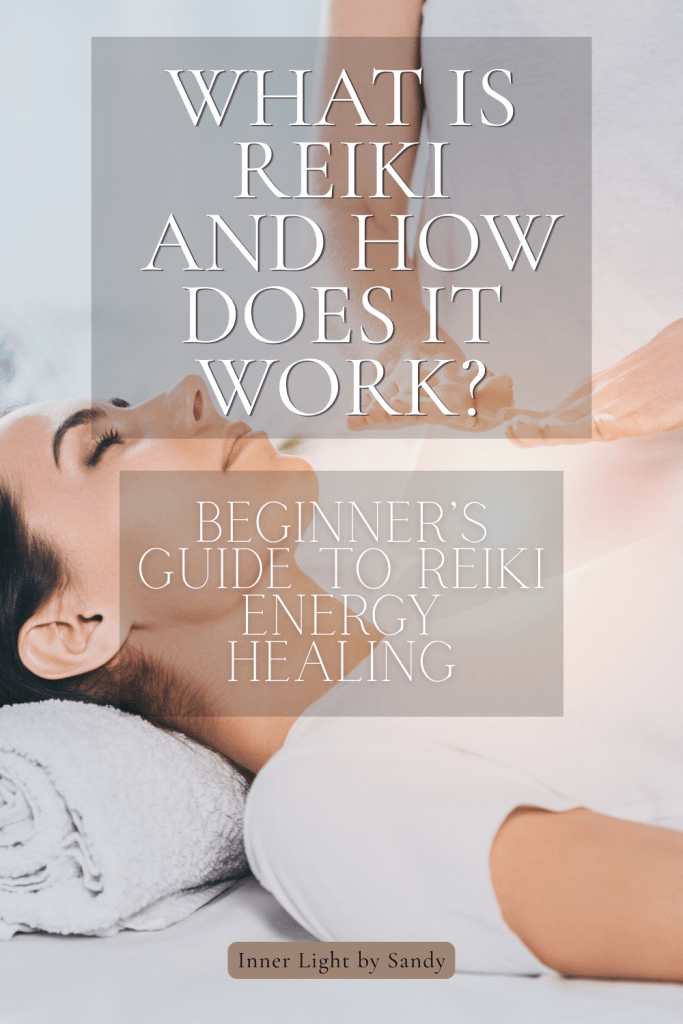
During a Reiki session, the practitioner usually places their hands gently on or slightly above different areas of the body. There is no massage or physical manipulation involved. Instead, the experience is generally quiet and peaceful, giving you an opportunity to relax and turn your attention inward.
From a traditional Reiki perspective, practitioners believe that this energy may support balance and flow within the person receiving Reiki. However, these ideas belong to Reiki’s spiritual tradition and have not been scientifically established as a physical energy system.
For me, Reiki is less about understanding exactly where the energy goes. It is more about being present with the experience. When I practice Reiki, I allow myself to become still, focus on the moment, and notice whatever comes up without trying to force anything.
Some people describe sensations such as warmth, tingling, deep relaxation, or emotional release during a Reiki session. Others may feel very little at all. There is no particular sensation that you need to experience for your Reiki practice to feel meaningful.
I believe this is one of the most beautiful things about Reiki: you do not have to chase a certain feeling or expect something dramatic to happen. You can simply give yourself permission to slow down, breathe, and be present.
What Happens During a Reiki Session?

When exploring what is Reiki and how does it work, one of the first things you may wonder about is what actually happens during a Reiki session.The experience can vary depending on the practitioner, but Reiki sessions are generally calm, quiet, and simple.
A session usually begins with a short conversation. The practitioner may ask how you are feeling, whether there is anything you would like to focus on, or if you have any questions before beginning.
You will usually remain fully clothed and either lie comfortably on a treatment table or sit in a chair. The practitioner then moves through a series of hand positions, gently placing their hands on or slightly above different areas of the body.
There is usually nothing you need to do during the session. You can simply close your eyes, breathe naturally, and allow yourself to relax.
Everyone experiences Reiki differently. You may notice warmth, tingling, a feeling of heaviness or lightness, or simply a deep sense of calm. You might also notice thoughts or emotions coming to the surface. On the other hand, you may not notice any particular sensation at all, and that is perfectly okay too.
When I think about Reiki, I do not believe we need to measure the experience by how many sensations we feel. Sometimes the quietest sessions can still give us valuable time to slow down and reconnect with ourselves.
After the session, you may want to take a few moments before returning to your day. Drink some water, notice how you feel, and give yourself time to gently transition back into your normal routine.
What Are the Benefits of Reiki?
Once you begin to understand what is Reiki and how does it work, you may also wonder why people choose to include Reiki in their lives. Some people feel drawn to Reiki’s spiritual side. Others simply enjoy the peaceful space it creates for slowing down and stepping away from everyday life.
One of the most commonly described experiences during Reiki is a sense of relaxation. A quiet environment, gentle attention, and time away from distractions can create an opportunity to become more present and aware of how you are feeling.
For me, one of the greatest benefits of Reiki is exactly this pause. It gives me permission to stop doing, thinking, and planning for a while and simply reconnect with myself.
Some people also include Reiki in their spiritual practice when they feel emotionally overwhelmed, disconnected, or energetically out of balance. They may use it alongside meditation, journaling, breathwork, or other practices that help them create a greater sense of inner calm.
Reiki can also encourage self-awareness. When you become quiet, you may begin noticing thoughts, emotions, or patterns that are easy to overlook during a busy day. You do not have to immediately change or fix what comes up. Sometimes simply becoming aware of it can be meaningful.
It is important to remember that experiences with Reiki are personal and can vary from person to person. Although Reiki is sometimes described using words such as healing or energy healing, it should not be presented as a treatment or cure for medical conditions.
I prefer to see Reiki as a supportive spiritual and self-care practice — one that gives us an opportunity to slow down, listen inward, and create a little more space for ourselves.
Reiki and the Chakra System

If you begin exploring Reiki, you will probably come across the chakra system as well. Although Reiki and chakras come from different traditions, many modern Reiki practitioners choose to work with both as part of their spiritual practice.
Traditional chakra teachings describe chakras as energy centers within the body. In many modern spiritual practices, seven main chakras are commonly discussed, each associated with different areas of our physical, emotional, and spiritual experience.
During a Reiki session, a practitioner may spend time with their hands positioned near different chakra areas. From a spiritual perspective, the intention may be to encourage a greater sense of balance, awareness, and energetic flow.
For me, working with the chakras can also be a way of turning my attention inward. Instead of worrying about whether a chakra is perfectly “open” or “balanced,” I prefer to use the practice as an opportunity to notice how I am feeling.
For example, I might ask myself: Where am I holding tension? What emotions have been coming up lately? Is there an area of my life that needs more attention?
You do not need to understand every chakra before exploring Reiki. In fact, you can practice or receive Reiki without working with the chakra system at all.
Both Reiki and chakra work are based on spiritual traditions rather than scientifically established energy systems. I believe it is helpful to keep that distinction in mind while still allowing yourself to explore what these practices mean to you personally.
Can You Practice Reiki on Yourself?
As you learn what is Reiki and how does it work, you may also wonder whether Reiki can be practiced on yourself. In fact, self-Reiki is an important part of many Reiki traditions and can become a simple way to create a few quiet moments for yourself during the day.
When I practice Reiki on myself, I like to keep it simple. I find a comfortable place, take a few slow breaths, and allow myself to settle into the moment. Then I gently place my hands on different areas of my body and stay there for as long as feels comfortable.
You might place your hands over your heart, abdomen, shoulders, or another area where you naturally feel drawn to focus your attention. There is no need to chase a particular sensation or wonder whether you are doing everything perfectly.
For me, self-Reiki is also an opportunity to check in with myself. I can notice how I am feeling, where I may be holding tension, and whether I have been giving myself enough time to rest and recharge.
Even a short practice can become a meaningful ritual. You might spend five or ten minutes practicing Reiki before bed, after meditation, or whenever you feel that you need a little quiet time.
If you are completely new to Reiki, you may eventually choose to learn from a qualified Reiki teacher. Traditional Reiki training usually includes instruction, practice, and an initiation or attunement process, depending on the Reiki tradition being taught.
Most importantly, try not to turn your Reiki practice into another thing you have to do perfectly. Let it be a space where you can slow down, become present, and reconnect with yourself.
Do You Need a Reiki Attunement?
As you explore what is Reiki and how does it work, you may also come across the word attunement. This is an important part of traditional Reiki training and is usually given by a Reiki teacher or Reiki Master.
An attunement is a spiritual initiation used within Reiki traditions. It is often described as a process that introduces the student to Reiki practice and prepares them to begin working with Reiki in a more intentional way.
Different Reiki schools may teach this process a little differently. Some describe attunement mainly in energetic terms, while others place more emphasis on the connection between teacher and student, personal practice, and learning the principles of Reiki.
For me, Reiki training is about much more than receiving an attunement. It is also about learning how to slow down, become more aware of yourself, and develop a practice that feels meaningful and authentic.
Reiki is commonly taught in different levels. You may hear them described as Reiki Level 1, Reiki Level 2, and Reiki Master or Master Teacher level. Each stage traditionally introduces additional practices and techniques.
If you are interested in learning Reiki, take your time when choosing a teacher. Look for someone whose approach feels comfortable to you, who welcomes questions, and who does not make unrealistic promises about what Reiki can do.
There is no need to rush your spiritual journey. Learning Reiki can be something you explore gradually, allowing your own understanding and experience to develop over time.
Is Reiki a Religion?
Reiki is not a religion, and you do not need to follow a particular faith or belief system to explore it. People from many different backgrounds practice Reiki, and everyone may connect with it in their own way.
Although Reiki can feel deeply spiritual, it does not require worship, religious membership, or belief in a specific deity. Instead, the practice is traditionally centered around ideas such as universal life energy, mindfulness, compassion, and personal growth.
Reiki also includes five principles, often called the Five Reiki Principles or Reiki Precepts. Different translations use slightly different wording, but they generally encourage us to approach everyday life with less anger and worry, more gratitude, honesty, and kindness.
I especially love this part of Reiki because the principles can become gentle reminders for everyday life. You do not have to follow them perfectly. Instead, you can use them as an invitation to become more conscious of your thoughts, emotions, and the way you treat yourself and others.
For me, Reiki fits naturally into a spiritual lifestyle because it creates space for reflection, inner connection, and awareness. Someone else may experience it differently, and that is completely okay.
You can explore Reiki alongside meditation or other spiritual practices, or simply appreciate it as a quiet personal ritual. Your experience does not have to look exactly like anyone else’s.
How to Get Started With Reiki
Once you understand what is Reiki and how does it work, you may feel ready to explore the practice for yourself. Like many spiritual practices, Reiki can be explored slowly and with curiosity.
You might begin by reading about Reiki, experiencing a session with a practitioner, or learning more about the different levels of Reiki training. Pay attention to what feels natural to you rather than feeling that you need to follow someone else’s path.
If you decide to receive Reiki from a practitioner, choose someone you feel comfortable with. A good practitioner should be willing to answer your questions, respect your boundaries, and never promise that Reiki can diagnose, treat, or cure a medical condition.
If you feel drawn to learning Reiki yourself, you can look for a Reiki teacher whose approach and values resonate with you. Ask about their training, what their course includes, and how they support students as they develop their own practice.
You can also begin creating more quiet and intentional moments in your everyday life. Meditation, mindful breathing, journaling, and simply paying attention to your inner state can all complement a Reiki practice.
Most importantly, allow yourself to explore without pressure. Your spiritual journey does not need to happen quickly. Sometimes the most meaningful changes begin when we become curious, slow down, and start listening to ourselves a little more closely.
Reiki as Part of Your Spiritual Journey
Reiki can mean something different to everyone who explores it. For some people, it becomes a regular spiritual practice. For others, it may simply be a peaceful way to slow down, reflect, and create more intentional moments in everyday life.
When I think about what is Reiki and how does it work, I do not believe the most important part is trying to explain or analyze every sensation. For me, Reiki is about connection — connection with myself, the present moment, and the quiet inner space that can sometimes become difficult to hear in a busy life.
Your experience with Reiki does not need to look like anyone else’s. You may feel warmth or tingling during a session, experience deep relaxation, or simply enjoy a few moments of stillness. There is no “right” experience you need to have.
If Reiki feels meaningful to you, allow yourself to explore it slowly. Learn, ask questions, practice, and notice how it fits into your own spiritual journey.
And remember that spirituality is not about doing everything perfectly. Sometimes it begins with something much simpler: becoming quiet enough to listen to yourself.
Perhaps that is one of the most beautiful things Reiki can offer — a gentle invitation to slow down, become present, and reconnect with your inner light.
Leave a Reply