Tag: spiritual growth

  • Birth Chart Explained: A Beginner’s Guide to Your Sun, Moon and Rising Signs

    Birth Chart Explained: A Beginner’s Guide to Your Sun, Moon and Rising Signs

    This birth chart explained guide begins with a common question. Why doesn’t my zodiac sign really sound like me? You are not alone. Your Sun sign is only one small part of your astrological story.

    A birth chart is like a snapshot of the sky at the exact moment you were born. In astrology, people use a birth chart to explore different parts of their personality and life. It can offer insight into emotions, relationships, strengths, and personal experiences.

    We’ll start with the three placements beginners hear about most. These are your Sun, Moon, and Rising signs, often called your Big Three. Your Sun sign represents your core identity. Astrologers traditionally connect your Moon sign with your emotional world. Your Rising sign describes the energy you may naturally show to others.

    Understanding these three signs can help explain why two people with the same zodiac sign can seem completely different.

    Maybe you have wondered why you don’t feel like your zodiac sign. Your birth chart may offer a much bigger picture. Let’s explore what your Big Three mean and how you can find yours.

    What Is a Birth Chart?

    A birth chart is also called a natal chart. It maps the positions of the Sun, Moon, planets, and other astrological points at the moment of your birth.

    Astrologers create your birth chart using three important details: your date of birth, exact time of birth, and place of birth. Because these details are personal to you, your chart can look very different from someone else’s—even if you share the same Sun sign.

    Think of your birth chart as an astrological blueprint. Instead of looking at only one zodiac sign, it brings together many different placements that astrologers traditionally interpret as representing different areas of your personality and life.

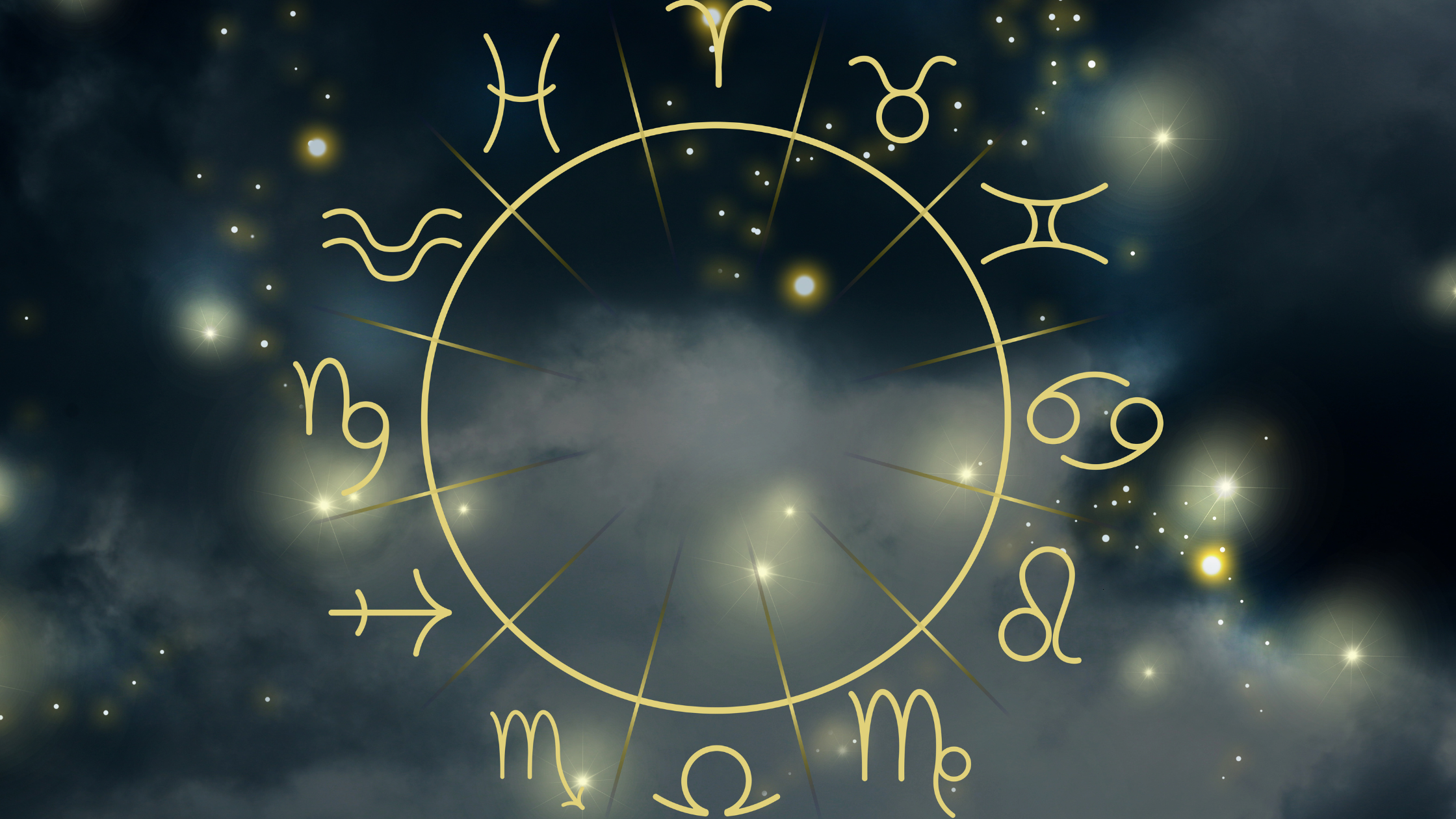
    Your chart includes the 12 zodiac signs, planets, houses, and aspects between the planets. At first, this can look complicated. However, you do not need to understand everything at once.

    For beginners, one of the easiest places to start is with your Big Three: your Sun sign, Moon sign, and Rising sign.

    These three placements can give you a much broader picture than your Sun sign alone—and they may even help explain why you have never completely related to the zodiac sign you usually read in horoscopes.

    What Are the Big Three in Astrology?

    If you are new to astrology, you may have heard people talking about their Big Three. This refers to your Sun sign, Moon sign, and Rising sign—three of the most commonly discussed placements in a birth chart.

    Each one is traditionally associated with a different part of how astrologers interpret your personality and inner world:

    • Sun sign: your core identity, self-expression, and sense of self.
    • Moon sign: your emotions, inner needs, instincts, and private self.
    • Rising sign: the way you approach the world and the first impression you may give to others.

    Imagine your Big Three as different layers of your personality. Your Sun can represent the person you are becoming and expressing, your Moon reflects what is happening beneath the surface, and your Rising sign can describe how you naturally meet the outside world.

    For example, someone may have a confident and expressive Leo Sun, a sensitive and intuitive Pisces Moon, and a practical Virgo Rising. Looking only at their Leo Sun would leave out two important pieces of the astrological picture.

    This is one reason learning your Big Three can make astrology feel much more personal than simply reading your daily horoscope.

    Sun, Moon and Rising signs in a birth chart

    Your Sun Sign: Your Core Identity

    Your Sun sign is the zodiac sign most people already know. When someone asks, “What’s your zodiac sign?” they are usually asking about your Sun sign.

    In astrology, the Sun traditionally represents your core identity, sense of self, confidence, and self-expression. It can represent the qualities you naturally develop and the person you are becoming as you move through life.

    Your date of birth mainly determines your Sun sign because the Sun moves through the 12 zodiac signs throughout the year.

    For example, a Leo Sun may be associated with creativity, warmth, confidence, and self-expression, while a Virgo Sun is often connected with practicality, organization, and attention to detail.

    However, your Sun sign does not tell your entire story.

    You might read a description of your Sun sign and recognize some qualities while feeling completely disconnected from others. This does not necessarily mean astrology “got you wrong.” Your Moon sign, Rising sign, and the rest of your birth chart add other layers to the traditional astrological interpretation.

    That is why understanding your full birth chart can feel very different from reading a horoscope based only on your Sun sign.

    Your Moon Sign: Your Emotional Inner World

    While your Sun sign is traditionally associated with your core identity, your Moon sign represents a more private and emotional side of you in astrology.

    It is often connected with your feelings, instincts, emotional needs, comfort, and the way you naturally respond to situations. Think of it as the part of yourself that may not always be visible to other people.

    Your Moon sign can also offer an astrological explanation for why you sometimes react very differently from what your Sun sign description might suggest.

    For example, someone with an adventurous Sagittarius Sun but a sensitive Cancer Moon may appear independent and optimistic while still having a deep need for emotional security, familiarity, and meaningful connections.

    Unlike your Sun sign, finding your Moon sign can require more precise birth information because the Moon moves through the zodiac relatively quickly. Your birth date, time, and location can therefore be important when calculating it.

    Learning about your Moon sign may help you explore questions such as: What makes me feel emotionally safe? What do I need when I feel overwhelmed? How do I instinctively respond to my emotions?

    Together with your Sun and Rising signs, your Moon adds another important layer to your Big Three and the wider picture traditionally interpreted through your birth chart.

    Your Rising Sign: How You Meet the World

    Your Rising sign, also known as your Ascendant, is another important part of your Big Three. In astrology, it is traditionally associated with how you approach the world, the energy you naturally project, and the first impression you may give to others.

    While your Sun sign relates to your core identity and your Moon sign to your emotional inner world, your Rising sign can be thought of as the way you naturally step into new situations.

    For example, someone with a quiet and sensitive Pisces Sun but a bold Aries Rising may initially appear confident, energetic, and direct. As people get to know them better, they may begin to notice the softer qualities associated with their Pisces Sun.

    Your Rising sign can also influence the structure of your entire birth chart because it determines which zodiac sign appears on the first house in many common astrological chart systems.

    Unlike your Sun sign, your Rising sign can change relatively quickly throughout the day. Because of this, knowing your exact birth time and birth location is especially important when calculating your Ascendant.

    This is another reason two people born on the same day can have surprisingly different birth charts—and may express their personalities in very different ways.

    Once you understand your Sun, Moon, and Rising signs together, your Big Three can begin to reveal a much more detailed astrological picture than your Sun sign alone.

    Sun vs. Moon vs. Rising Signs: What’s the Difference?

    Your Sun, Moon, and Rising signs each represent a different layer of your astrological profile. Understanding how they work together can make your birth chart much easier to understand.

    • Sun Sign — Your Core Self: Traditionally associated with your identity, confidence, purpose, and the way you express yourself.
    • Moon Sign — Your Emotional Self: Connected with your emotions, instincts, inner needs, and what helps you feel safe and comfortable.
    • Rising Sign — Your Outer Self: Associated with how you approach the world, the energy you may show to others, and the first impression you give.

    An easy way to remember the difference is:

    Sun = who you are
    Moon = how you feel
    Rising = how you meet the world

    However, these three placements are not meant to compete with one another. In astrology, they are interpreted together.

    For example, you might have a practical Capricorn Sun, an emotional Pisces Moon, and a sociable Libra Rising. You may therefore relate strongly to Capricorn qualities while also recognizing emotional sensitivity and a more charming or diplomatic social side.

    This combination is one reason your personality may not seem to perfectly match the description of your Sun sign.

    And that brings us to one of the most interesting questions for astrology beginners: Why don’t I feel like my zodiac sign?

    Why Don’t I Feel Like My Zodiac Sign?

    Have you ever read about your zodiac sign and thought, “This doesn’t sound like me at all”? There are several reasons this can happen within astrology.

    The zodiac sign you usually see in horoscopes is your Sun sign, but your Sun is only one placement in your birth chart. Your Moon, Rising sign, planets, houses, and the relationships between different planets all add more layers to the traditional astrological interpretation.

    For example, you might have a bold and outgoing Leo Sun, but if your Moon is in quiet, sensitive Pisces and your Rising sign is reserved Capricorn, you may not relate to every stereotypical Leo description.

    Your birth chart can therefore contain qualities that seem very different—or even contradictory—at first.

    This is why two people with the same zodiac sign can have completely different personalities, emotional needs, and ways of interacting with the world.

    It is also worth remembering that zodiac descriptions online are often simplified. Astrology is a much broader system than the short personality descriptions commonly associated with each Sun sign.

    So, if you have never fully connected with your zodiac sign, exploring your Big Three can be a useful next step. Instead of asking only, “What is my zodiac sign?” you can begin asking:

    What is my Sun sign? What is my Moon sign? And what is my Rising sign?

    Together, these three placements can give you a more detailed introduction to how your birth chart is interpreted in astrology.

    Birth chart explained with Sun, Moon and Rising signs for beginners

    How to Find Your Sun, Moon and Rising Signs

    Finding your Sun, Moon, and Rising signs is easier than it may seem. You do not need to calculate your birth chart by hand—an online birth chart calculator can do it for you.

    To get the most accurate result, you will usually need three pieces of information:

    • Your date of birth
    • Your exact time of birth
    • Your place of birth

    Your birth date is enough to identify your Sun sign in most cases. However, your Moon and especially your Rising sign can depend on your birth time and location, so accurate birth information is important.

    Once you enter these details into a birth chart calculator, you will receive a natal chart showing the positions of the Sun, Moon, planets, houses, and zodiac signs at the time of your birth.

    At first, the chart may look confusing—and that is completely normal. Start by finding just three things:

    Sun — your Sun sign
    Moon — your Moon sign
    Ascendant or ASC — your Rising sign

    You do not need to understand every symbol, house, or planetary aspect yet. Learning your Big Three is a simple first step toward understanding the bigger picture of your birth chart.

    Once you know these three signs, write them down and explore how their different qualities may work together. You may be surprised by how much more nuanced astrology becomes when you move beyond your Sun sign.

    Natal birth chart with zodiac signs and astrological placements

    What Else Is in Your Birth Chart?

    Your Sun, Moon, and Rising signs are a great place to begin, but they are only the starting point of your birth chart.

    A complete natal chart contains several other elements that astrologers traditionally interpret to create a more detailed picture.

    These include:

    • Mercury — associated with communication, thinking, and learning.
    • Venus — connected with love, relationships, attraction, and personal values.
    • Mars — associated with motivation, passion, action, and drive.
    • Jupiter — traditionally linked with growth, opportunity, and expansion.
    • Saturn — connected with responsibility, discipline, boundaries, and life lessons.
    • The 12 Houses — different areas of life, such as relationships, career, home, and personal growth.
    • Aspects — the angles formed between planets, which astrologers use to interpret how different parts of a chart may interact.

    Astrology can also be explored alongside other spiritual practices that encourage self-reflection and personal growth.

    You do not need to learn all of these at once.

    If you are just beginning your astrology journey, focus on your Sun, Moon, and Rising signs first. Once you feel comfortable with your Big Three, you can gradually explore the planets, houses, and aspects in more detail.

    Think of your birth chart as a book. Your Big Three may introduce the main characters, but there are many more chapters waiting to be explored.

    How to Start Reading Your Birth Chart as a Beginner

    Looking at your birth chart for the first time can feel overwhelming. There may be unfamiliar symbols, lines, houses, planets, and zodiac signs all appearing in one circle.

    The good news is that you do not need to understand everything at once.

    Start with your Big Three. Find your Sun, Moon, and Rising signs and read about each one separately. Notice which descriptions feel familiar and where the three signs seem different from one another.

    Next, look at your personal planets, especially Mercury, Venus, and Mars. In astrology, these placements are traditionally associated with communication, relationships, attraction, motivation, and the way you take action.

    After that, you can begin exploring the 12 houses. Each house represents a different area of life, from identity and relationships to career, home, creativity, and personal growth.

    Finally, you can gradually learn about aspects, which describe the angles and relationships between planets in your chart.

    A simple order for beginners is:

    1. Sun, Moon, and Rising
    2. Mercury, Venus, and Mars
    3. The 12 houses
    4. Planetary aspects

    There is no need to memorize your entire chart. Astrology is a complex symbolic tradition, and learning it can be a gradual process. Start with one placement at a time, stay curious, and allow your understanding to grow as you explore.

    As you explore your birth chart, meditation can also be a simple way to slow down, reflect, and become more aware of your thoughts and emotions.

    Most importantly, use your birth chart as a tool for self-reflection and curiosity rather than a fixed definition of who you are.

    Final Thoughts: Understanding Your Birth Chart

    Learning about your birth chart can open the door to a much deeper exploration of astrology. Instead of identifying with only one zodiac sign, you begin to see how different placements may come together to create a more complex astrological picture.

    Start with your Sun, Moon, and Rising signs. Your Sun is traditionally associated with your core identity, your Moon with your emotional inner world, and your Rising sign with how you approach and interact with the world around you.

    From there, you can slowly explore your other planets, houses, and aspects without feeling like you need to understand everything at once.

    Most importantly, remember that astrology does not have to define you. Your birth chart can simply be used as a symbolic tool for self-reflection, curiosity, and personal exploration.

    So, if you have ever wondered why you do not completely relate to your zodiac sign, your Big Three may be a fascinating place to start.

    Your Sun sign may be the first chapter—but your birth chart tells a much bigger story.

  • Why Do I Feel Lost in Life? 9 Spiritual Ways to Find Yourself Again

    Why Do I Feel Lost in Life? 9 Spiritual Ways to Find Yourself Again

    Have you ever looked at your life and quietly wondered, “Why do I feel lost in life?” Maybe everything seems fine from the outside, yet inside you feel disconnected, uncertain, or unsure about where you are going.

    Feeling lost in life can happen when the person you used to be no longer feels like the person you are becoming. Your old goals may stop exciting you. Certain relationships may begin to feel different. You might even question what you truly want, what makes you happy, or what your purpose is.

    Although this experience can feel uncomfortable, it can also become an opportunity for deeper self-discovery. Sometimes feeling lost encourages you to slow down, listen to yourself, and notice what needs to change.

    In this guide, we’ll explore 9 spiritual ways to find yourself again. You’ll learn simple practices for reconnecting with your inner guidance, creating more clarity, letting go of what no longer serves you, and moving forward one small step at a time.

    You don’t need to have your entire life figured out today. Sometimes finding yourself begins with one simple question:

    What do I truly need right now?

    Why Do I Feel Lost in Life?

    If you keep asking yourself, “Why do I feel lost in life?”, it may be because something inside you is asking for change. Feeling lost does not always mean that something has gone wrong. Sometimes it simply means that the life you have been living no longer feels aligned with who you are becoming.

    You may have reached a point where old goals, routines, relationships, or expectations no longer bring the same sense of fulfillment. At the same time, you may not yet know what should come next. This space between the old and the new can feel confusing.

    You might notice that you are questioning things you once accepted without thinking. What do I really want? What makes me happy? Am I living according to my own values, or according to what other people expect from me?

    From a spiritual perspective, periods of uncertainty can become opportunities for deeper awareness. They may encourage you to turn your attention inward instead of constantly looking outside yourself for answers.

    Rather than trying to solve your entire future at once, begin by becoming curious about what you are feeling. Your uncertainty may contain valuable information about what you have outgrown and what you are ready to explore next.

    The goal is not to force yourself to have all the answers. Instead, it is to begin listening more carefully to yourself.

    Signs You May Be Feeling Lost in Life

    Feeling lost can look different for everyone. Sometimes it appears as confusion about your future, while other times it feels like a quiet sense that something is missing.

    You may be feeling lost in life if you:

    • no longer feel excited about goals that once mattered to you;
    • constantly question what direction your life should take;
    • feel disconnected from yourself or your emotions;
    • compare your journey to other people’s lives;
    • struggle to make decisions because you are unsure what you truly want;
    • feel stuck even though you know something needs to change;
    • search for a deeper sense of meaning or purpose.

    You may also notice that you are becoming more interested in self-discovery, spirituality, meditation, or understanding yourself on a deeper level.

    These feelings do not automatically mean that you need to make a dramatic life change. Instead, they can be an invitation to pay closer attention to your needs, values, and inner world.

    The more honestly you understand where you are now, the easier it becomes to discover where you would like to go next.

    Feeling Lost Can Be a Turning Point

    A period of uncertainty can create space for questions you may have ignored for a long time. Instead of immediately trying to escape the uncomfortable feeling, you can use it as an opportunity to reconnect with yourself.

    The following nine practices can help you slow down, find greater clarity, and begin moving toward a life that feels more meaningful and aligned with who you are.

    9 Spiritual Ways to Find Yourself Again

    1. Stop Looking Outside Yourself for All the Answers

    When you keep wondering why do I feel lost in life, it is natural to start searching for answers everywhere.You may ask friends what they think, compare yourself to people online, read endless advice, or wonder what others would do in your situation.

    While outside perspectives can sometimes be helpful, constantly looking to others can make it harder to hear your own voice.

    Take a little time each day to turn your attention inward. Sit somewhere quiet, put your phone away, and ask yourself:

    What do I actually want?

    Try not to judge the answer or immediately think about what is realistic. Simply notice what comes up.

    Journaling can also help. Write freely for five or ten minutes without worrying about grammar or whether your thoughts make sense. You may be surprised by what appears when you give yourself permission to be completely honest.

    Finding yourself again is not necessarily about becoming someone new. Often, it is about reconnecting with the parts of yourself that became buried beneath expectations, responsibilities, fear, and other people’s opinions.

    The more space you create for your own thoughts and feelings, the easier it may become to recognize what genuinely matters to you.

    2. Reconnect With Your Inner Voice Through Meditation

    When your mind is filled with worries, expectations, and endless thoughts, it can be difficult to understand what you truly want. Meditation gives you an opportunity to step away from that mental noise and simply be present with yourself.

    You do not need to meditate for an hour or completely empty your mind. Start with just five minutes.

    Find a quiet place, close your eyes, and take a few slow breaths. Notice your thoughts without trying to control them. When your attention wanders, gently return to your breathing.

    As your mind begins to settle, ask yourself a simple question:

    What is my inner voice trying to tell me?

    Do not force an answer. Sometimes clarity appears immediately, while other times it develops gradually through feelings, ideas, or realizations.

    Regular meditation can also help you become more aware of the difference between fear-driven thoughts and the quieter thoughts that reflect your values and desires.

    If meditation is new to you, learning a few simple techniques can make starting much easier. Research on meditation and mindfulness suggests that these practices may support well-being and may help some people manage stress and anxiety. [Read my beginner’s guide to meditation and learn how to create a simple practice for more inner peace.]

    Meditation for finding inner guidance when feeling lost in life

    3. Pay Attention to What Drains and Energizes You

    One of the simplest ways to understand yourself better is to notice how different people, places, activities, and situations make you feel.

    Some experiences may leave you feeling calm, inspired, and energized. Others may leave you mentally exhausted, emotionally heavy, or disconnected from yourself.

    For the next few days, start paying attention to these changes.

    Ask yourself:

    What gives me energy?

    What consistently drains me?

    When do I feel most like myself?

    Which situations make me feel like I have to hide or change who I am?

    You can even keep a small journal and write down what you notice. Over time, patterns may begin to appear.

    Perhaps you feel more alive when you spend time in nature, create something, meditate, learn, help others, or simply have time alone. At the same time, you may notice certain habits, environments, or relationships that repeatedly leave you feeling depleted.

    This awareness does not mean you need to remove everything difficult from your life. Instead, it helps you understand where your energy is going and where you may need healthier boundaries.

    Protecting your energy can be an important part of reconnecting with yourself, especially when you have spent a long time prioritizing everyone else.

    [Learn simple ways to protect your energy and create healthier energetic boundaries.]

    4. Let Go of Who You Think You Should Be

    If you often ask yourself, “Why do I feel lost in life?”, one reason may be that you have spent too much time trying to become the person you think you should be.

    You may have learned that success should look a certain way. Perhaps you feel pressure to have the perfect career, relationship, home, lifestyle, or future. Without realizing it, you can begin building a life around expectations rather than around what genuinely feels meaningful to you.

    Ask yourself:

    If nobody was judging me, what would I choose?

    Think about which goals truly belong to you and which ones may have come from family, society, social media, or comparison with others.

    You do not have to abandon your responsibilities or completely change your life overnight. Instead, begin noticing where you are making choices because they feel right for you and where you are simply following a path you believe you are supposed to follow.

    Letting go of old expectations can create space for something more authentic.

    As you release the need to meet everyone else’s definition of happiness, you may begin to hear your own desires more clearly. This is an important part of finding yourself again and creating a life that feels aligned with your values.

    5. Reconnect With the Things That Make You Feel Alive

    When you are feeling lost in life, it is easy to focus entirely on what is wrong. However, another way to find your direction is to remember what makes you feel genuinely alive.

    Think back to moments when you felt happy, curious, peaceful, creative, or deeply connected to yourself.

    What were you doing?

    Maybe you loved painting, writing, dancing, traveling, spending time in nature, learning something new, helping others, or simply enjoying quiet mornings with no pressure to be productive.

    Somewhere along the way, responsibilities and routines can push these small sources of joy into the background.

    Choose one thing you used to enjoy and bring a little of it back into your life. It does not need to become a career, a goal, or something productive. Allow yourself to do it simply because it feels good.

    Then notice how you feel afterward.

    The things that make you feel alive can offer valuable clues about your values, interests, and the kind of life that feels meaningful to you.

    Sometimes finding yourself begins not with a huge realization, but with remembering the small things that once made you feel like you.

    6. Create Space for Something New

    If you are wondering, “Why do I feel lost in life?”, your first instinct may be to hold tightly to what is familiar.

    However, staying inside the same routines can sometimes make you feel even more stuck.

    You do not need to completely reinvent your life. Instead, create a little space for something new.

    Try a new hobby. Visit a place you have never been before. Read about a topic that interests you. Take a different route on your daily walk. Join a class, spend more time in nature, or simply change part of your normal routine.

    New experiences can help you discover parts of yourself that you may not have noticed before.

    Ask yourself:

    What have I always wanted to try but kept putting off?

    Then choose one small thing and give yourself permission to explore it without worrying about where it will lead.

    You do not need to know whether it will become important in your life. Curiosity alone is enough.

    When you stop expecting yourself to have everything figured out, you create room for unexpected interests, connections, and opportunities to appear.

    Sometimes the next chapter of your life does not begin with a perfect plan. It begins when you become willing to take one small step into something unfamiliar.

    Finding yourself again by choosing a new direction in life

    7. Learn to Trust Your Intuition

    When you feel lost, you may start questioning every decision you make. You analyze every possibility, worry about making the wrong choice, and look for reassurance from other people.

    But sometimes the answer is not found through more thinking. It comes from learning to listen to yourself.

    Your intuition can feel like a quiet inner knowing, a subtle feeling, or a gentle sense that something is right or wrong for you. Unlike fear, which often feels urgent and overwhelming, intuition can be much quieter.

    Start practicing with small decisions.

    Before asking someone else what they think, pause and ask yourself:

    What feels right to me?

    Notice your first response before your mind begins creating reasons, doubts, and possibilities.

    You can also write your thoughts in a journal, meditate, or spend a few quiet minutes alone when you need clarity.

    Trusting yourself takes practice. You will not always make the perfect decision, and that is okay. Every experience can teach you something about yourself.

    Over time, listening to your inner guidance can help you become more confident in your choices and less dependent on outside validation.

    Finding your way again often begins when you stop asking everyone else which direction to take and start listening to the voice within you.

    8. Release What No Longer Feels Aligned

    Sometimes finding yourself again also means recognizing what you may have outgrown.

    This could be an old belief, habit, goal, routine, or expectation that once made sense but no longer feels right for the person you are becoming.

    Take a moment to ask yourself:

    What am I holding onto simply because it feels familiar?

    You may realize that certain patterns no longer support the life you want to create. Perhaps you keep saying yes when you want to say no. Maybe you are chasing a goal that no longer excites you, or holding onto an old version of yourself because change feels uncomfortable.

    Letting go does not have to happen all at once.

    Start small. Create a healthier boundary, change one habit, clear something from your schedule, or simply acknowledge that your priorities have changed.

    You can appreciate what something once brought into your life without believing that it must remain part of your future.

    Making space is an important part of growth. When you release what no longer feels aligned, you create more room for new experiences, relationships, ideas, and possibilities that better reflect who you are today.

    Sometimes spiritual growth is not about adding more to your life. It is about gently releasing what you no longer need.

    9. Take One Small Step Toward the Life You Want

    When you keep asking yourself, “Why do I feel lost in life?”, you may believe that you need to figure out your entire future before you can move forward. But clarity often comes through action, not endless thinking.

    Instead of asking yourself where you should be five years from now, ask:

    What is one small step I can take today?

    Maybe that step is starting a journal, spending ten minutes meditating, applying for something that interests you, learning a new skill, setting a boundary, or simply giving yourself time to rest and reflect.

    The step does not need to be dramatic.

    Small choices can slowly change the direction of your life. More importantly, they give you new experiences and information about what feels right for you.

    You may discover that one step leads naturally to another.

    Try not to wait until you feel completely certain. Very few meaningful changes begin with absolute certainty. Sometimes you simply choose the direction that feels most aligned with who you are now and allow yourself to learn along the way.

    If you are interested in using intention to create positive change, you can also explore [how to manifest what you want with simple beginner-friendly practices.]

    Finding yourself again is not about reaching one final destination. It is about building a stronger relationship with yourself and learning to make choices that reflect the person you are becoming.

    Feeling lost in life – 9 spiritual ways to find yourself again

    Final Thoughts: You Are Allowed to Find a New Direction

    If you have been asking yourself, “Why do I feel lost in life?”, remember that you do not need to find every answer immediately.

    Sometimes feeling lost is simply a sign that it is time to slow down, reconnect with yourself, and reconsider what truly matters to you.

    Give yourself permission to explore. Listen to your inner voice, notice what gives you energy, release expectations that no longer fit, and take small steps toward the life you want to create.

    You may not know exactly where those steps will lead, and that is part of the journey.

    Finding yourself again is not about returning to the person you used to be. It is about getting to know who you are now and allowing yourself to grow from there.

    Be patient with the process. Clarity can develop gradually through experience, reflection, and small everyday choices.

    You do not need to have everything figured out.

    You only need to take the next step that feels right for you.

    Frequently Asked Questions About Feeling Lost in Life

    Is It Normal to Feel Lost in Life?

    Yes. Many people experience periods when they feel uncertain about their direction, goals, relationships, or identity. Major life changes can trigger these feelings, but sometimes they appear without an obvious reason. Instead of expecting yourself to have everything figured out, use this period to reflect on what matters to you now.

    How Do I Find Myself Again When I Feel Lost?

    Start by creating more space to listen to yourself. Journaling, meditation, spending time alone, trying new experiences, and noticing what gives or drains your energy can help you reconnect with your needs and values. Focus on small steps rather than trying to solve your entire future at once.

    Can Spirituality Help When You Feel Lost?

    Spiritual practices such as meditation, mindfulness, reflection, gratitude, and journaling can give you space to explore your thoughts and values. They may help you feel more connected to yourself and bring greater clarity, although spirituality does not have to provide every answer.

    Why Do I Feel Lost Even When My Life Seems Fine?

    Sometimes your external circumstances can look good while your inner needs have changed. Goals or routines that once felt meaningful may no longer feel fulfilling. This can be an opportunity to reconsider what happiness, purpose, and personal fulfillment mean to you now.

    How Long Does It Take to Find Yourself Again?

    There is no fixed timeline. Self-discovery is an ongoing process, and clarity may develop gradually rather than arriving in one dramatic moment. Instead of putting pressure on yourself to find every answer, focus on making small choices that feel aligned with your current values and needs.

  • Spiritual Awakening Signs You Should Not Ignore

    Spiritual Awakening Signs You Should Not Ignore

    What Are Spiritual Awakening Signs and Why Are They Happening to You?

    Spiritual awakening signs can appear when you begin experiencing a deep inner shift that changes the way you see yourself and the world around you. If you are reading this, chances are you have already started noticing subtle (or not-so-subtle) changes in your thoughts, emotions, and behaviors. These changes can feel confusing at first, but they are often the beginning of something deeply transformative.

    The journey of spiritual awakening is unique for everyone, yet there are common patterns that many people experience. It is a process of becoming more aware, more conscious, and more aligned with your true self. This path is not always easy, but it is always meaningful.

    Woman experiencing spiritual awakening signs during a peaceful meditation

    I personally began my journey at the age of 14. Since then, I have been continuously learning, healing, and evolving. Even today, I am still working on myself—because healing is not a destination, but a lifelong journey. My goal is not only to heal myself but also to help others who are walking this path.

    If you are starting to feel different, more aware, or even disconnected from your old life, do not ignore these signs. They may be guiding you toward your true purpose.

    The Most Common Spiritual Awakening Signs

    1. A Strong Inner Shift During Spiritual Awakening

    One of the earliest signs of spiritual awakening is a deep inner change that you cannot fully explain. You may feel like you are no longer the same person you used to be. Things that once mattered to you may now feel meaningless.

    This shift often comes with a desire to understand life on a deeper level. You start asking questions like: Why am I here? What is my purpose? These questions are not random—they are the beginning of your transformation.

    2. Increased Energy Sensitivity During Spiritual Awakening

    As your awareness expands, you become more sensitive to energy. This includes the energy of people, environments, and even your own thoughts. Crowded places may feel overwhelming, and negative people may drain you more than before.

    This heightened sensitivity is a sign that your consciousness is expanding. You are becoming more attuned to what is aligned with you and what is not.

    Spiritual awakening signs and energy aura around the body

    3. You Begin to Question Everything

    During a spiritual awakening, you start questioning beliefs that you once accepted without doubt. This includes societal norms, traditions, and even your own identity.

    This process can feel unsettling, but it is necessary. You are shedding old layers that no longer serve you. This is how awakened souls begin to emerge—they question, they seek, and they grow.

    4. Emotional Highs and Lows

    One moment you may feel deeply connected and peaceful, and the next you may feel overwhelmed or emotional. These fluctuations are normal during spiritual awakening.

    You are releasing old emotional wounds and traumas. This is your soul’s way of healing. Instead of resisting these emotions, try to understand them. Ask yourself what they are trying to teach you.

    Woman feeling overwhelmed during spiritual awakening

    Spiritual Awakening and Emotional Healing

    Facing Your Trauma

    A key part of spiritual awakening is confronting your past. This includes unresolved trauma, suppressed emotions, and limiting beliefs. It is not always comfortable, but it is essential.

    If you do not heal these wounds, they can be passed down to future generations. This is often referred to as karmic patterns. Breaking these cycles requires courage and self-awareness.

    You can explore trauma healing techniques here:

    Letting Go of the Old You

    As you grow, you may feel disconnected from people or situations that once felt familiar. This can be painful, but it is a natural part of transformation.

    You are not losing yourself—you are finding your true self. This is the essence of becoming one of the awakened souls.

    The Role of Consciousness in Spiritual Awakening

    Expanding Your Awareness

    Your level of consciousness plays a crucial role in your journey. As your awareness expands, you begin to see patterns in your life. You understand why certain things happened and what they were meant to teach you.

    This awareness allows you to make better choices. You become more intentional with your thoughts, actions, and relationships.

    Living More Mindfully

    You may notice that you are more present in your daily life. Simple moments—like watching the sunset or listening to music—become more meaningful.

    This is not a coincidence. It is a sign that your spiritual awakening is deepening. You are learning to live in the present moment, rather than being trapped in the past or worried about the future.

    Woman meditating by the ocean during a spiritual awakening

    Manifestation and Spiritual Awakening

    Understanding Manifestation

    As you progress on your path, you may start to notice that your thoughts and intentions have a stronger impact on your reality. This is where manifestation comes into play.

    Manifestation is not about wishful thinking—it is about alignment. When your thoughts, emotions, and actions are aligned, you can create the life you desire.

    Learn more about manifestation here:

    Why Manifestation Becomes Stronger

    During spiritual awakening, your energy becomes clearer and more focused. This makes your manifestations more powerful.

    However, this also means that negative thoughts can manifest just as easily. This is why self-awareness and emotional healing are so important.

    Signs You Are Becoming One of the Awakened Souls

    You Seek Deeper Connections

    Surface-level conversations no longer satisfy you. You crave meaningful connections and authentic relationships.

    This is a strong indicator that you are evolving into one of the awakened souls. You value truth, depth, and emotional honesty.

    You Feel a Calling to Help Others

    Many people experiencing spiritual awakening feel a strong desire to help others. This could be through sharing knowledge, offering support, or simply being present.

    This calling often comes from your own healing journey. As you heal yourself, you naturally want to help others do the same.

    You Trust Your Intuition More

    Your intuition becomes stronger and more reliable. You start trusting your inner voice, even when it does not make logical sense.

    This is because you are becoming more connected to your higher self. Your intuition is your internal guidance system.

    Woman embracing inner peace during her spiritual awakening journey

    Why You Should Not Ignore Spiritual Awakening

    Ignoring the signs of spiritual awakening can lead to confusion, frustration, and even emotional distress. When you resist change, you create inner conflict.

    Instead, try to embrace the process. Trust that everything is happening for a reason. Your journey is unfolding exactly as it should.

    How to Continue Your Spiritual Journey

    Commit to Self-Discovery

    Self-awareness is the foundation of growth. Take time to reflect on your thoughts, emotions, and behaviors. Journaling can be a powerful tool for this.

    Heal Your Inner Wounds

    Healing is not optional—it is necessary. If you want to break generational patterns and prevent karma from being passed on, you must do the inner work.

    This includes:

    • Shadow work
    • Therapy
    • Meditation

    Keep Learning

    Your journey does not end here. Continue exploring new ideas, perspectives, and practices. Spiritual growth is a lifelong process.

    Final Thoughts: Your Awakening Is a Gift

    The path of spiritual awakening is not always easy, but it is incredibly rewarding. You are not alone in this journey. Many others are waking up, just like you.

    Remember, I started this journey at 14, and I am still learning every day. Healing takes time, patience, and dedication. But it is worth it.

    Do not ignore the signs. Embrace them. Learn from them. Grow through them.

    You are becoming the person you were always meant to be.

    And one day, your healing will not only transform your life—but also the lives of others.

    Lotus flower symbol representing spiritual awakening and inner growth
  • What does spirituality truly mean?

    Many people today feel a quiet shift inside themselves a pull toward something deeper, beyond daily routines and material success. You may notice a subtle awareness that life can be more meaningful, that healing is possible, and that inner peace is attainable.

    If you’ve asked yourself, “What does spirituality truly mean?”, you are not alone. This question marks the beginning of a conscious, intentional journey toward a fuller, more integrated life.

    This article is for people who are awakening to their inner world, seeking spiritual growth, and exploring the ways spirituality can support both emotional and physical healing.

    what-does-spirituality-truly-means

    Understanding the Question: What does spirituality truly mean?

    To explore spirituality, it’s important to clarify what it is and what it is not. Spirituality is not about escaping reality, avoiding responsibilities, or blindly following beliefs. Instead, it is a personal journey of awareness and connection.

    When we ask “What does spirituality truly mean?”, we are seeking:

    • A deeper understanding of who we are beyond roles and habits.
    • Meaning and purpose beyond daily survival.
    • A way to live in alignment with inner truth and self-awareness.

    At its essence, spirituality connects us to ourselves, others, and life itself. It is a practical guide for navigating emotional challenges, relationships, and personal growth.

    Signs you are ready to explore spirituality

    Many people are drawn to spirituality after periods of discomfort, stress, or uncertainty. These signs include:

    • Feeling unfulfilled despite success or comfort.
    • Experiencing chronic stress, anxiety, or physical symptoms without clear cause.
    • Sensing there is a higher purpose or calling.
    • Experiencing a desire to heal emotional wounds or reconnect with your inner self.

    These are natural invitations. Spirituality provides tools to navigate life consciously, offering insight and support for personal transformation.

    What’s the meaning of the spiritual life?

    Some confuse spirituality with religion. While religion provides rules and community, spirituality is personal and experiential.

    When exploring “What’s the meaning of the spiritual life?”, the focus is on conscious living:

    • Observing your thoughts instead of being controlled by them.
    • Cultivating emotional awareness and resilience.
    • Aligning daily actions with inner values and truth.

    Spirituality is about integration, not perfection. It helps create a meaningful, balanced, and aware life.

    The role of spiritual awareness in inner peace

    Spiritual awareness is a cornerstone of personal growth. It is the ability to observe yourself and your life clearly, without judgment.

    With spiritual awareness, you begin to:

    • Recognize patterns in thought, emotion, and behavior.
    • Respond to challenges with calmness rather than reactivity.
    • Develop a deeper understanding of your inner self.
    • Experience present-moment awareness that fosters peace.

    As Eckhart Tolle notes, “Awareness is the greatest agent for change” https://www.goodreads.com/quotes/1833-awareness-is-the-greatest-agent-for-change.

    This awareness directly supports emotional and physical healing, demonstrating that spirituality is not just theoretical, but deeply practical.

    Healing through spirituality: physical and emotional benefits

    As you explore what does spirituality truly mean, you may notice its healing effects on both body and mind.

    Spiritual practices such as meditation, mindful breathing, and reflection can:

    • Reduce stress and anxiety.
    • Improve emotional regulation.
    • Support physical health by lowering inflammation and blood pressure.
    • Encourage healthy lifestyle choices aligned with inner values.

    Spirituality addresses the deeper causes of suffering, complementing medical care and therapy, rather than replacing them.

    Esoteric teachings and their relevance today

    Esoteric wisdom often seems mysterious, but it provides practical insight into consciousness, energy, and personal transformation.

    • Esoteric knowledge explores how belief systems shape perception.
    • It explains subtle energy flows in the body and mind.
    • It encourages self-reflection and deep spiritual growth.

    Used responsibly, esoteric teachings enhance spiritual awareness, helping you integrate lessons into everyday life. They are a roadmap for those asking, “What does spirituality truly mean?”

    Common misconceptions

    Skepticism is natural. Many claim spirituality is not true. They often cite commercialization, unrealistic promises, or superficial trends.

    It’s important to differentiate between authentic spiritual practice and its misused forms. True spirituality:

    • Encourages conscious engagement with life.
    • Supports healing and self-discovery.
    • Does not require blind belief or denial of reality.

    Rejecting spirituality due to its misuse is like rejecting science because of a poorly designed experiment. The essence remains transformative and meaningful.

    Practical ways spirituality brings inner peace

    Inner peace does not mean absence of difficulty. Instead, it is a shift in relationship to life’s challenges.

    With spiritual awareness, you learn to:

    • Accept emotions without being overwhelmed.
    • Observe thoughts rather than react automatically.
    • Stay present, even in challenging circumstances.
    • Connect with a deeper sense of purpose.

    By exploring what does spirituality truly mean, you begin to cultivate a sense of stability and calm that external conditions cannot take away.

    Spirituality in relationships and daily life

    Spirituality manifests most clearly in how you relate to others.

    • Communication becomes more honest and compassionate.
    • Boundaries are maintained with clarity and respect.
    • Interactions become intentional rather than reactive.

    Living spiritually is not about withdrawing from life, but engaging more fully and consciously.

    Awakening to spirituality in modern times

    Today’s fast-paced, stressful world makes spiritual awakening increasingly relevant.

    People seek:

    • Inner stability amid uncertainty.
    • Meaning beyond consumerism.
    • Conscious engagement with self and others.
    • Emotional and physical healing.

    Spirituality provides tools for conscious living, helping people navigate modern life while nurturing growth and inner peace.

    Steps to start your spiritual journey

    If you are asking what does spirituality truly mean, begin with small, intentional steps:

    1. Practice mindful awareness: Observe thoughts, feelings, and patterns.
    2. Reflect on values: Clarify what truly matters in your life.
    3. Explore spiritual teachings: Read, attend workshops, or study esoteric practices.
    4. Integrate insights into daily life: Apply spiritual awareness in relationships, work, and self-care.
    5. Be patient and compassionate: Growth is gradual, not immediate.

    Consistency and curiosity are key. Spirituality is a lived experience, not a checklist.

    Conclusion: Meaning of spirituality

    Ultimately, what does spirituality truly mean is discovered in experience, reflection, and awareness. It is not about perfection, blind belief, or escaping life.

    Spirituality is a journey of connection, healing, and inner peace. It allows you to live consciously, respond thoughtfully, and experience life deeply.

    Whether you are skeptical, curious, or already awakening, exploring spirituality can transform your life — emotionally, physically, and spiritually.

    Start small, stay open, and notice the difference it can make. Inner peace is not a destination, but a way of being.